

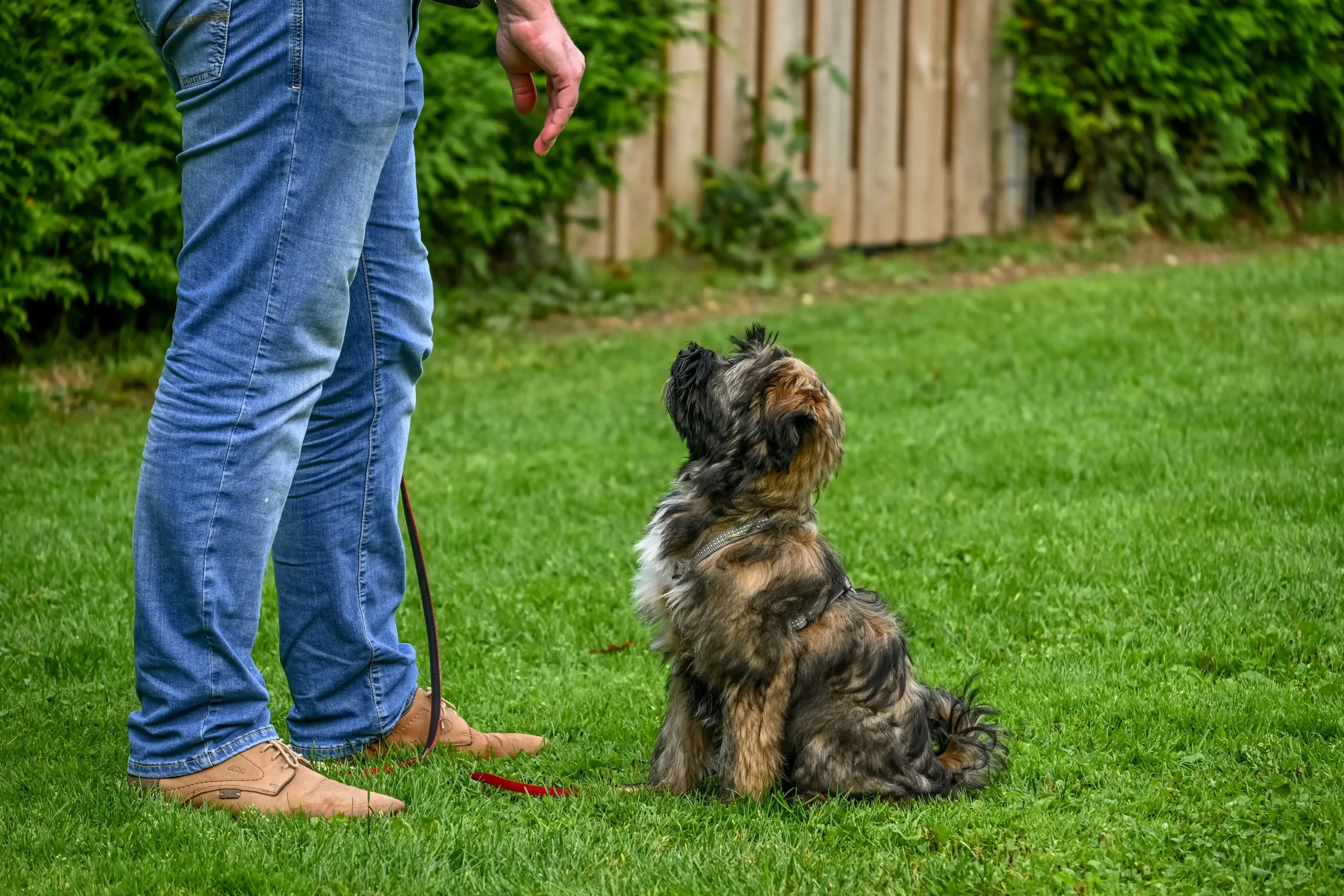
Puppies bite, chew, bark, jump, and have bursts of chaotic energy. Most of that is normal. Dog red flags are different: they are behaviors that are unusually intense, repeated, worsening, difficult to interrupt, or unsafe. A sudden change can also point to pain or illness rather than a training problem.
The key is to look at the whole picture: what happened immediately before the behavior, how strongly your dog reacted, how quickly the dog recovered, whether anyone was at risk, and whether the pattern is becoming more frequent. One growl or one overexcited play session does not define a dog, but repeated warning signs should not be ignored.
| Quick answer: A puppy red flag is not simply an annoying habit. It is behavior that suggests significant fear, pain, guarding, loss of control, or a risk of injury. Hard biting, repeated snapping, extreme fear, sudden aggression, resource guarding, and an inability to recover after a trigger deserve prompt attention. |
Normal Puppy Behavior vs. a Red Flag
Context matters more than the behavior label. The same action can be normal in one situation and concerning in another.
| Usually normal or manageable | More concerning |
| Play biting that becomes softer with redirection | Biting with force, repeated skin-breaking bites or escalation when interrupted |
| Brief barking at a new sound, followed by recovery | Prolonged panic, shaking, hiding or inability to settle after ordinary events |
| Chewing, jumping or leash grabbing during excitement | Freezing, hard staring, growling, lunging or snapping around people, dogs or valued items |
| Occasional adolescent “forgetfulness” in training | A sudden personality or behaviour change, especially with pain, appetite changes or touch sensitivity |
10 Red Flags in Dog Behaviour
1. A sudden change in behaviour
A dog that suddenly becomes irritable, fearful, withdrawn or aggressive should be checked by a vet. Pain, illness, sensory changes, and other medical problems can alter behavior. This is especially important when a dog growls when touched, avoids movement, stops eating, cries out or reacts in a way that is completely out of character.
2. Bites that are hard, repeated or escalating
Mouthing is common in puppies, particularly during play and teething. The concern is intensity and pattern. Seek help when bites repeatedly break skin, the puppy clamps down and will not disengage, the behavior is directed at faces or children, or the biting becomes more forceful despite calm redirection and rest.
3. Resource guarding around food, toys or resting places
Resource guarding may look like freezing, hovering over an item, eating faster when approached, showing the whites of the eyes, growling, lifting a lip, snapping, or biting. Do not forcibly remove the item or punish the warning. Increase distance, manage access, and get reward-based professional guidance before the pattern becomes more dangerous.
4. Freezing, a hard stare or a stiff body
Some of the most important warning signs happen before a bark or bite. A closed mouth, sudden stillness, forward weight shift, rigid posture, fixed stare, or tightly held tail can signal that a dog is uncomfortable and close to reacting. Stop approaching and give the dog space.
5. Extreme or persistent fear
A cautious puppy may need time to adjust, but constant hiding, shaking, shutting down, refusing food around ordinary stimuli or panicking during routine handling deserves attention. Safe, gradual socialization can help; forcing a frightened puppy into overwhelming situations can make fear worse.
6. Repeated lunging, snapping or aggressive displays
Barking and lunging may be driven by fear, frustration, guarding, or over-arousal. Whatever the cause, repeated snapping or attempts to bite are a safety issue. Management should begin immediately: create distance from triggers, use secure equipment, and avoid situations in which the dog can rehearse the behavior.
7. An inability to calm down or recover
Excited puppies often need help settling. A more serious concern is a dog that remains highly aroused long after a trigger has gone, cannot take food, cannot respond to familiar cues or repeatedly redirects biting onto people or nearby animals. Recovery time is a useful measure of how difficult the situation is for the dog.
8. Growling or snapping during routine handling
Strong reactions to being touched, groomed, picked up, fitted with a harness, or examined may reflect fear, a negative learning history or pain. Do not assume the dog is being “stubborn” or “dominant.” Pause the handling, rule out discomfort and rebuild cooperation in small, rewarded steps.
9. Panic that risks injury or self-harm
Frantic escape attempts, crashing into doors, chewing through barriers, injuring paws or teeth, or intense distress when left alone or exposed to a trigger is not ordinary misbehavior. A vet and qualified behavior professional can help identify the cause and create a safe treatment plan.
10. Any behaviour that creates an immediate safety risk
Take urgent action if a dog has bitten someone, repeatedly targets a child, attacks another animal, cannot be safely handled or is becoming more unpredictable. Use physical separation and barriers rather than confrontation. Contact a vet and a properly qualified behavior professional; severe cases should not be managed through online tips alone.
Common Puppy Behaviours That Are Not Automatically Red Flags
A 3-month-old puppy jumping and biting, a Labrador puppy mouthing hands, a puppy chasing feet, chewing a leash, or a one-year-old dog becoming distractible can all be normal developmental or training issues. They still need guidance, but they are not automatically signs of aggression.
• Play biting and biting feet: Stop movement, redirect to a toy, and reward calm interaction. End play briefly when teeth become too hard.
• Jumping and overexcitement: Reward four paws on the floor or ask for a simple behavior such as “sit” before greetings, food, and play.
• Chewing the leash: Avoid turning it into a tug game. Pause, offer an appropriate toy, and reward loose-lead walking.
• Adolescent regression: Return to easy training in low-distraction environments, increase mental enrichment, and reinforce the behaviors you want.
• Evening “wild” behavior: Overtired puppies can become bitey and frantic. A quiet routine and sufficient sleep may help more than additional exercise.
| When normal behaviour becomes concerning The behavior is more likely to be a red flag when it causes injury, is accompanied by fear or rigid body language, cannot be interrupted safely, appears suddenly, or becomes more intense despite consistent management. |
What to Do When You Notice Dog Red Flags
1. Protect everyone first. Use doors, gates, pens, leads, and distance to prevent bites or repeated confrontations. Do not corner, grab or physically challenge the dog.
2. Book a vet check when behavior is sudden or touch-related. A medical assessment is the correct first step when a dog changes abruptly, appears painful or behaves aggressively during handling.
3. Record the pattern. Write down what happened before, during, and after each incident. Note the location, people present, possible triggers, body language, intensity, and recovery time. Video can help a professional when it can be recorded safely.
4. Use reward-based training. Teach alternative behaviors, change the environment, and reward calm choices. Avoid hitting, shouting, leash corrections, “alpha rolls,” and other aversive methods.
For practical help with everyday manners and calm indoor behavior, read our guide on how to train your dog to behave in the house.
For high-energy breeds, this Belgian Malinois training guide can help with obedience, biting control, and better behavior.
5. Choose the right professional. For serious fear or aggression, ask your vet for a referral to a qualified clinical animal behaviorist or veterinary behaviorist. For basic manners, choose a transparent, reward-based trainer who does not rely on pain, fear, or intimidation.
Why reward-based methods? The American Veterinary Society of Animal Behavior recommends reward-based methods and advises against aversive techniques for training and behavior modification.
Why a vet check? VCA Animal Hospitals notes that aggression associated with medical disorders can appear suddenly and may not fit the dog’s usual behavior.
Why not punish a growl? Growling is communication. The RSPCA describes aggression as a warning to stop; punishing the warning may remove useful information without changing the underlying fear or discomfort.
Preventing Behaviour Problems in Puppies
Prevention is easier than repairing a well-established pattern. Build predictable routines, provide enough sleep, offer safe chewing outlets, teach simple cues, reward calm behaviour and expose the puppy to new experiences gradually. Socialization should create positive associations, not overwhelm the puppy.
Early socialisation matters. The AVSAB puppy socialisation statement identifies the first three months as a particularly important period for safe exposure to people, animals, environments, and everyday stimuli without causing excessive fear or withdrawal.
When to Get Professional Help
Contact a vet promptly when behaviour changes suddenly, the dog appears painful, eating or mobility changes, or aggression begins without an obvious behavioural explanation. Seek qualified behaviour support when there is resource guarding, repeated snapping, intense fear, separation-related panic, a bite history or any risk involving children or vulnerable adults.
If a bite has caused significant injury or the dog cannot be safely managed, separate the dog from the trigger and follow local veterinary or emergency guidance. Do not attempt confrontational training.
Frequently Asked Questions
What is a red flag puppy behavior?
It is behavior that is unusually intense, repeated, worsening, difficult to interrupt or unsafe. Examples include hard repeated biting, resource guarding, extreme fear, snapping, sudden aggression and an inability to recover after a trigger.
Is puppy biting a red flag?
Usually not. Mouthing and play biting are common. It becomes more concerning when bites repeatedly break skin, the puppy cannot disengage, body language is tense or fearful, or the behavior is escalating.
Should I punish my puppy for growling?
No. A growl is a warning that the puppy is uncomfortable. Stop the interaction, create space and identify the trigger. Punishment can increase fear and may suppress the warning without resolving the cause.
Why is my one-year-old dog suddenly misbehaving?
Adolescence can bring more energy, distraction and boundary testing, but a truly sudden or extreme change should still be discussed with a vet, especially if pain, appetite, sleep or movement has changed.
Can a fearful or reactive puppy improve?
Yes, many puppies improve with early support, careful management, gradual exposure and reward-based behaviour work. Progress depends on the cause, severity, environment and consistency of the plan.
Who should I contact for aggressive puppy behaviour?
Start with your vet to rule out medical causes. For serious fear, guarding, or aggression, ask for a referral to a qualified clinical animal behaviorist or veterinary behaviorist.
Final Thoughts
Not every difficult puppy habit is a crisis. Biting feet, jumping, chewing, and adolescent testing are often normal behaviors that improve with management and consistent training. The real dog red flags are intensity, fear, rigidity, injury, sudden change, and a pattern that is becoming harder to control.
Respond early and calmly. Protect safety, rule out pain, avoid punishment, and use qualified reward-based help when the behavior is beyond ordinary puppy training. Early action gives both the dog and the family the best chance of building a safe, trusting relationship.
Disclaimer: This content provides general educational information and does not replace advice from a veterinarian or qualified animal behavior professional.