

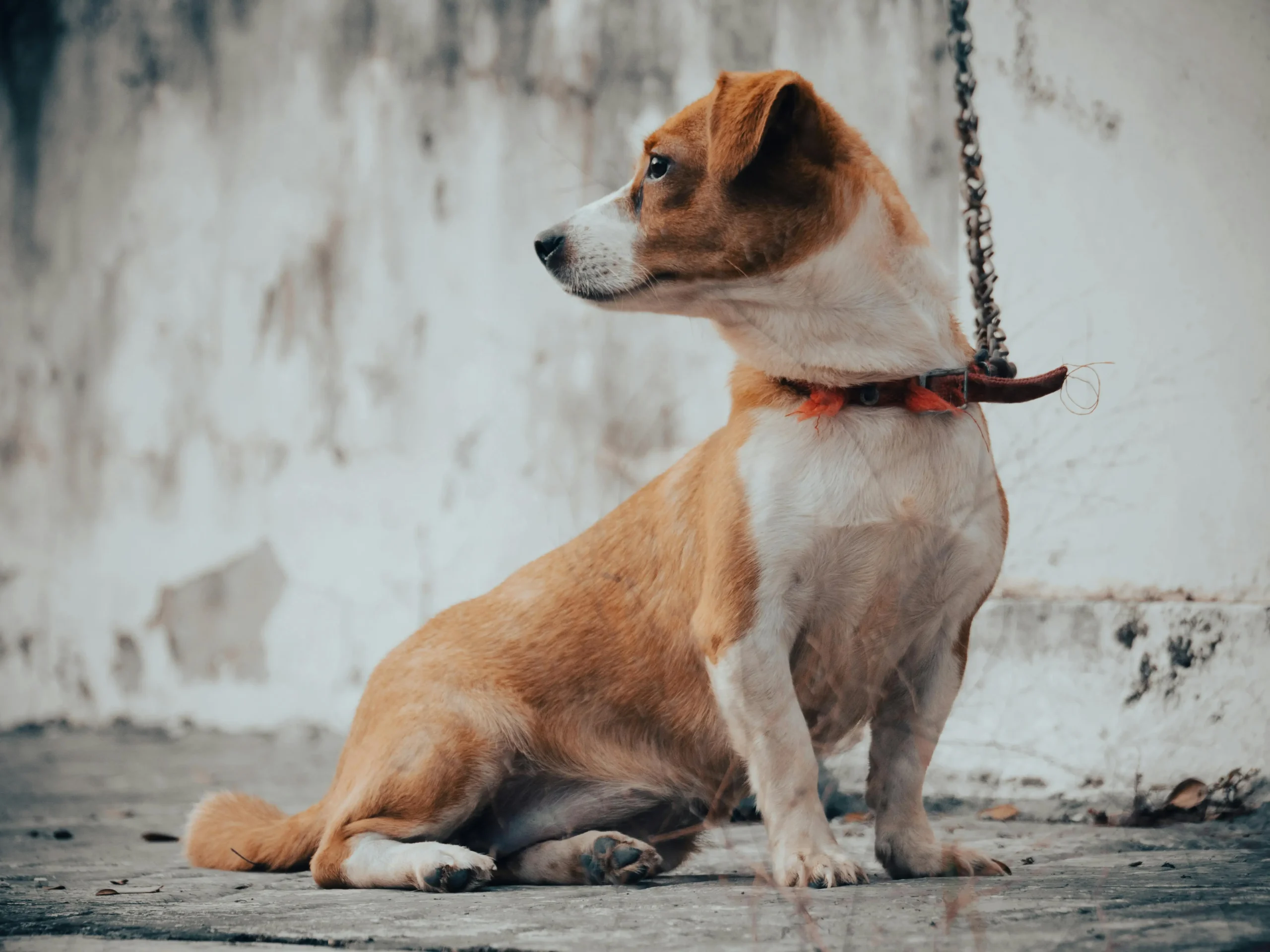
The good news is that learning how to train your dog to behave in the house is not as complicated as it may seem. With patience, consistency, and the right training methods, you can help your dog become calm, respectful, and well-mannered at home. Indoor training is not only about preventing bad behavior. It is also about building trust, creating structure, and helping your dog feel secure in their environment.
Bringing a dog into your home can be one of the best decisions you ever make. Dogs bring companionship, loyalty, and joy, but they also need guidance to understand how they should behave indoors. If your dog jumps on furniture, chews household items, barks excessively, or ignores boundaries, you are not alone. Many dog owners go through the same challenges in the beginning.
In this guide, you will learn practical and realistic steps to improve your dog’s behavior inside the home while also understanding outdoor boundaries, including how to train a dog to stay in the yard and how to teach dog to stay in yard safely and effectively.
Why Indoor Dog Training Matters
A well-behaved dog creates a peaceful home. When a dog understands the house rules, daily life becomes easier for everyone. You can relax more, enjoy your time together, and avoid constant stress over accidents, destruction, or unwanted behavior.
Training your dog indoors helps with several important things. First, it teaches your dog what is acceptable and what is not. Second, it gives them mental stimulation, which reduces boredom-based behaviors like chewing or digging. Third, it strengthens the bond between you and your dog because training is built on communication and trust.
If you want lasting results, the first step in how to train your dog to behave in the house is to see training as a daily habit rather than a one-time event.
Set Clear Rules From the Beginning
Dogs do best when they know the rules. If your dog is allowed on the couch one day but scolded for it the next, they will become confused. Mixed signals slow down training and make bad habits harder to fix.
Start by deciding what your house rules will be. Think about where your dog can sleep, whether they are allowed on furniture, which rooms are off-limits, and how you want them to behave around guests. Once you decide, keep those rules consistent.
Every member of the household should follow the same commands and boundaries. If one person allows begging at the table while another says no, your dog will struggle to understand what is expected. Consistency makes training much faster and more effective.
Use Positive Reinforcement Every Day
One of the most effective methods for teaching good behavior is positive reinforcement. This means rewarding your dog when they do the right thing instead of focusing only on mistakes. Dogs respond much better to encouragement than harsh punishment.
Rewards can include treats, praise, toys, or affection. For example, if your dog sits calmly instead of jumping on visitors, reward that calm behavior immediately. If they lie down quietly while you work, praise them. These small moments teach your dog that good behavior leads to positive outcomes.
When learning how to train your dog to behave in the house, timing matters. Reward the behavior as soon as it happens so your dog clearly connects the action with the reward.
Teach Basic Commands for Better Control
Basic obedience is the foundation of house manners. A dog that understands simple commands is easier to guide in everyday situations. Start with commands such as sit, stay, come, leave it, and down.
For example, sit can help prevent jumping on guests. Stay can help your dog remain calm while you open the door. “Leave it” can stop them from grabbing shoes or chewing furniture. “Come” is useful both indoors and outdoors.
Training sessions do not need to be long. Five to ten minutes at a time is enough, especially for younger dogs. Short, regular practice sessions usually work better than one long session. Keep your tone calm and encouraging. If training feels fun, your dog will be more willing to learn.
Correct Bad Behavior the Right Way
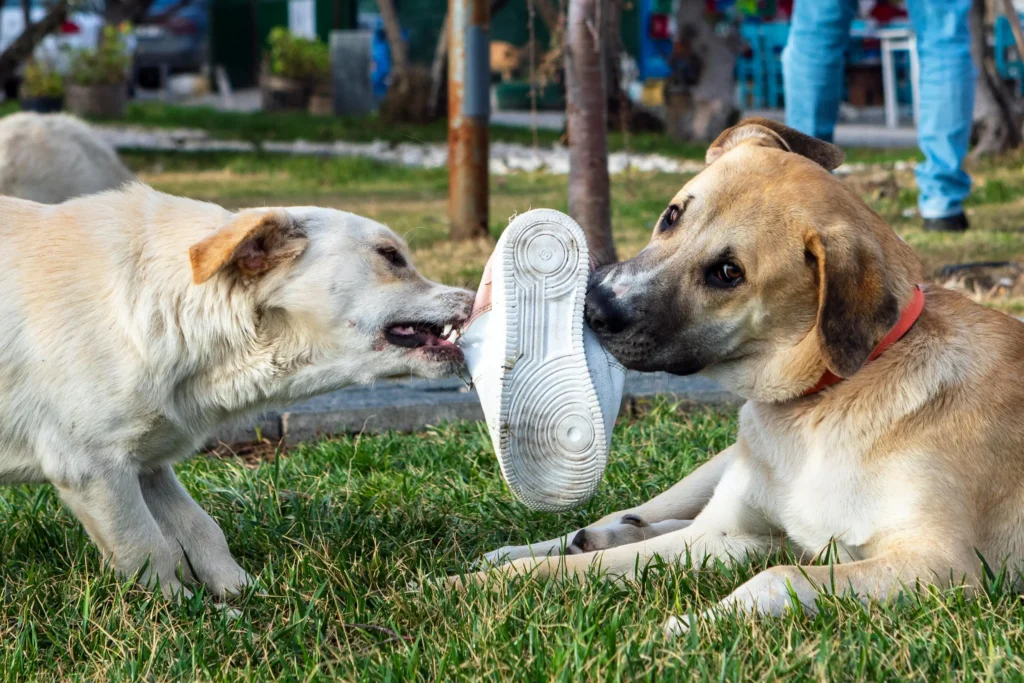
Unwanted behavior in the house often happens because a dog is bored, anxious, under-exercised, or simply has not been taught a better option. Chewing, barking, digging, and jumping are common examples.
Instead of reacting with anger, redirect the behavior. If your dog chews furniture, give them a proper chew toy. If they bark for attention, avoid rewarding the barking and instead reward quiet behavior. If they jump on people, ask for a sit and reward that instead.
The goal is not just to stop bad behavior but to replace it with good behavior. That is a big part of how to train your dog to behave in the house successfully. Dogs need to know what to do, not only what not to do.
Potty Training Is a Must
House training is one of the first things every dog owner should focus on. Even older dogs may need a refresher when entering a new home. A dog cannot truly behave well indoors if they do not understand where to go to the bathroom.
Create a regular schedule for bathroom breaks. Take your dog out first thing in the morning, after meals, after naps, and before bedtime. Praise and reward them immediately when they go in the correct place.
Accidents may happen, especially in the beginning. If they do, clean the area thoroughly and avoid punishment. Punishment can create fear and confusion. Instead, stay consistent with the schedule and reward success.
A reliable potty routine supports the overall goal of how to train your dog to behave in the house because it teaches routine, discipline, and trust.
Give Your Dog Enough Exercise and Mental Stimulation
Many behavior problems start when dogs have too much energy and nowhere to put it. A dog that does not get enough exercise is more likely to bark excessively, chew random objects, or become restless indoors.
Daily walks, play sessions, and interactive toys can make a huge difference. Puzzle feeders, obedience games, and short training sessions also help tire your dog mentally. A mentally engaged dog is often calmer and easier to manage in the house.
If your dog struggles with indoor behavior, ask yourself whether they are getting enough physical and mental activity. Often, improving their routine outside the house improves their behavior inside it as well.
Teach Calm Behavior Around the House
Not all training is about commands. Some of the best house manners come from teaching your dog how to settle down. Encourage calm behavior by rewarding your dog when they rest quietly, lie on their bed, or stay relaxed while people move around the house.
You can create a calm zone with a comfortable dog bed or crate in a quiet area. This gives your dog a place to relax and feel safe. Over time, they will learn that they do not need to react to every sound or movement.
A calm dog is much easier to live with. Teaching relaxation is an often overlooked part of how to train your dog to behave in the house, but it can make a major difference.
Extend Training to Outdoor Boundaries
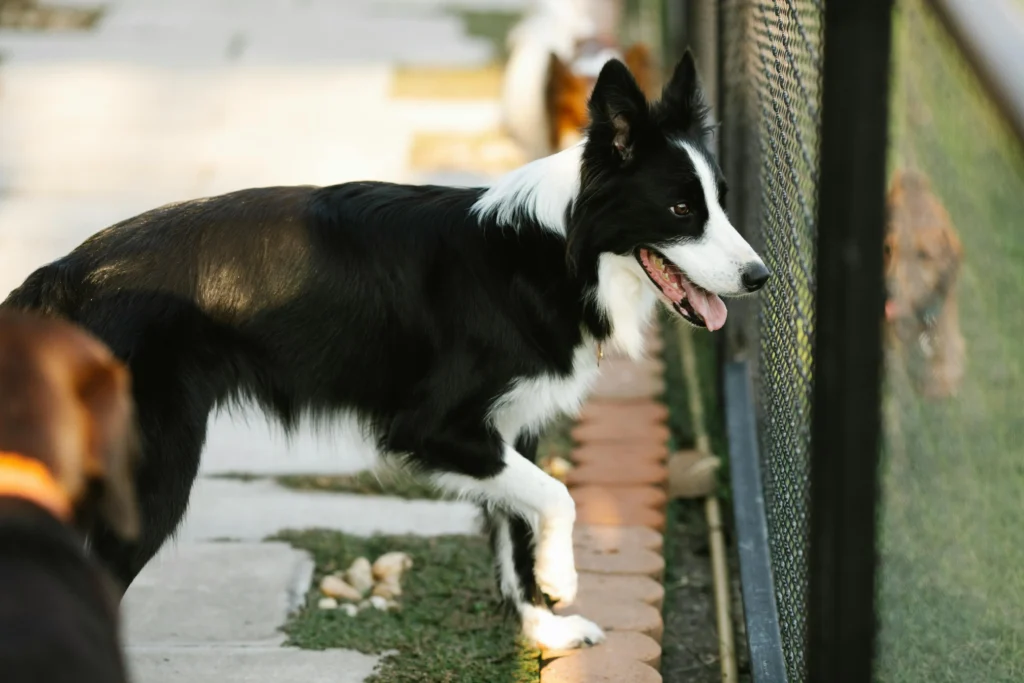
Indoor manners are important, but outdoor boundary training matters too. Many owners also want to know how to train a dog to stay in the yard so their dog can enjoy outdoor space safely.
Start by walking your dog around the perimeter of the yard on a leash. Repeat this often so they begin to understand the boundary line. Use a command such as “stay” or “back” when they move too close to the edge. Reward them when they remain within the safe area.
If you are wondering how to teach dog to stay in yard, never rush the process. Supervision is essential. Do not assume your dog understands boundaries after one or two sessions. Practice daily and slowly increase freedom only when your dog shows reliable behavior.
Outdoor boundary training supports indoor obedience because it reinforces listening skills, self-control, and consistency across different environments.
Be Patient With the Process
Every dog learns at a different pace. Puppies, rescue dogs, and high-energy breeds may need more time and repetition. Progress is rarely perfect. Some days will feel easy, while others may feel frustrating.
The key is to stay patient and keep going. Celebrate small improvements. A dog that stops jumping on guests half the time is already making progress. Training works best when you remain calm, fair, and consistent.
If you stick with it, your dog will improve. Learning how to train your dog to behave in the house is really about building habits one day at a time.
Conclusion
Training your dog to behave indoors is one of the most valuable things you can do as a dog owner. It creates a more peaceful home, improves communication, and helps your dog feel more confident and secure. By setting clear boundaries, using positive reinforcement, teaching basic commands, and staying consistent, you can make real progress.
At the same time, outdoor boundaries also matter. Understanding how to train a dog to stay in the yard and how to teach dog to stay in yard helps your dog enjoy freedom safely while strengthening their overall obedience.
The process takes time, but the results are worth it. A well-trained dog is not only easier to manage but also happier, more balanced, and more connected to you.
FAQ
1. How long does it take to learn how to train your dog to behave in the house?
It depends on your dog’s age, personality, and past training. Some dogs show improvement within a few weeks, while others may take a few months. The most important factor is consistency.
2. What is the best age to start house training a dog?
The earlier, the better. Puppies can start learning basic rules and routines as soon as they come home. Older dogs can also be trained successfully with patience and repetition.
3. Should I punish my dog for bad behavior in the house?
Harsh punishment is not recommended. It can create fear and confusion. Positive reinforcement and redirection are usually much more effective for long-term behavior change.
4. Why does my dog behave well sometimes and badly at other times?
Dogs often respond differently based on energy levels, distractions, and routine changes. Inconsistent rules or lack of exercise can also cause behavior to become unpredictable.
5. How do I start learning how to train a dog to stay in the yard?
Begin with leash-guided walks around the yard boundary. Use clear commands, supervise closely, and reward your dog for staying within the safe area. Practice regularly before allowing more freedom.
6. Is there a difference between how to train a dog to stay in the yard and how to teach dog to stay in yard?
Both phrases refer to the same general goal. The process involves teaching boundaries, reinforcing obedience, and practicing regularly until your dog understands where they should stay.
7. What should I do if my dog keeps chewing things in the house?
Make sure your dog has proper chew toys, enough exercise, and enough mental stimulation. Redirect chewing immediately and reward them when they choose the correct item.
8. Can older dogs still learn house manners?
Yes, absolutely. Older dogs can learn new behaviors with the same methods used for younger dogs. They may just need more patience and repetition.