

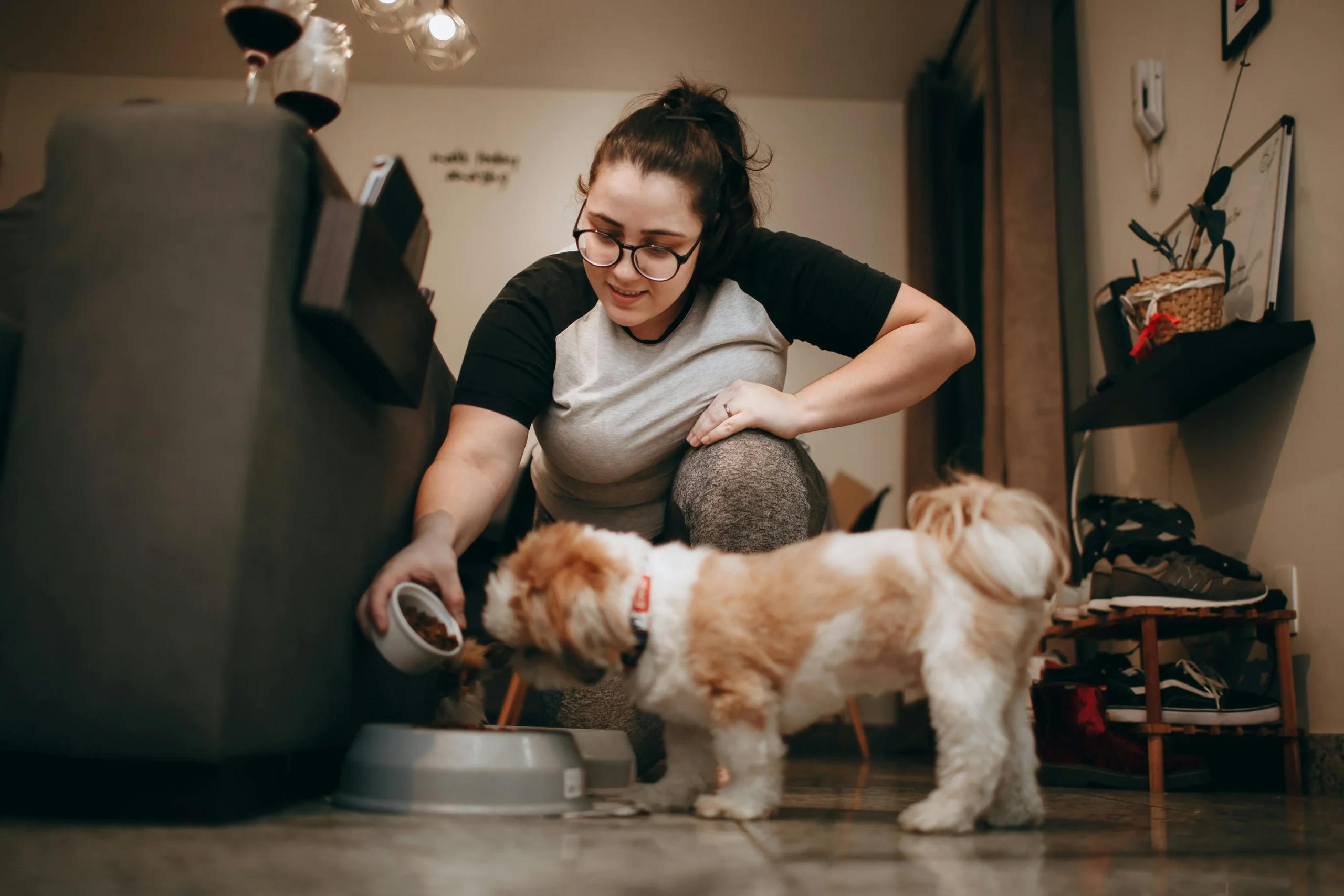
Many dog owners ask, “What can I feed my dog to gain weight fast? The safest 2026 answer is simple: feed your dog more high-quality calories, not random fatty leftovers. A skinny dog needs balanced meals, healthy fats, digestible protein, and a smart feeding schedule. If your dog suddenly loses weight, refuses food, vomits, has diarrhea, or looks weak, contact a veterinarian before changing the diet. A May 2026 veterinary-reviewed puppy weight guide also stresses that poor appetite or failure to gain weight can signal an underlying health problem.
Healthy weight gain does not mean making your dog overweight. It means helping your dog build better body condition, stronger muscles, steady energy, and a healthier appetite. In 2026, dog owners in the USA should also check food labels, calorie information, AAFCO statements, and recall updates before choosing a new food or treat. FDA animal food labeling guidance says labels should give information needed for safe and effective use of the food.
What Can I Feed My Dog to Gain Weight Fast?
You can feed your dog calorie-dense, complete, and balanced dog food to help them gain weight safely. Good options include high-calorie adult dog food, puppy food when appropriate, performance dog food, wet dog food, cooked eggs, plain chicken, turkey, lean beef, rice, oatmeal, pumpkin, sweet potato, sardines in water, and vet-approved calorie boosters.
Do not suddenly double your dog’s food. Increase calories slowly. Fast overfeeding can cause vomiting, loose stool, bloating, or stomach pain. Small, frequent meals work better than one oversized meal.
For most underweight dogs, the best plan includes three to four meals per day, a higher-calorie main food, and measured toppers. Puppies may also need more frequent meals because they have smaller stomachs. A May 2026 vet-reviewed guide recommends gradually increasing meal size and offering more frequent meals for underweight puppies after a vet confirms they need weight gain.
Why Is Your Dog Underweight?
Before choosing the best food to fatten up a dog, find out why your dog is thin. Some dogs stay lean because they are young, active, nervous, nursing, recovering from illness, or naturally slim. Other dogs lose weight because of parasites, dental pain, digestive issues, poor appetite, stress, or incomplete nutrition.
A dog may also eat normally but still fail to gain weight. Worms, poor nutrient absorption, chronic illness, or an unsuitable diet can cause this problem. Puppies especially need quick attention because they should grow consistently until adulthood.
Look at your dog from the side and above. A healthy dog should have a visible waist, but the ribs, spine, and hip bones should not look sharp or extreme. If your dog looks bony, weak, or tired, schedule a vet visit.
Choose Complete and Balanced Dog Food First
Your dog’s main food matters more than any treat or topper. Choose food labeled complete and balanced dog food for your dog’s life stage. In the USA, many dog foods use AAFCO nutrient profiles or feeding trials to support complete and balanced claims. A 2026 complete-and-balanced dog food guide explains that this label means the food should contain all necessary nutrients in proper proportions for daily feeding.
This step matters because underweight dogs need more than calories. They need protein, fats, vitamins, minerals, water, amino acids, and fatty acids. Feeding only rice, chicken, peanut butter, or homemade snacks can create nutritional gaps.
For adult dogs, choose adult maintenance food unless your vet recommends another formula. For puppies, choose puppy food or all-life-stages food that meets growth needs. Puppy diets need the right protein, fat, vitamin, and mineral balance for safe growth.
How to Add Fat to Dogs’ Diets Safely
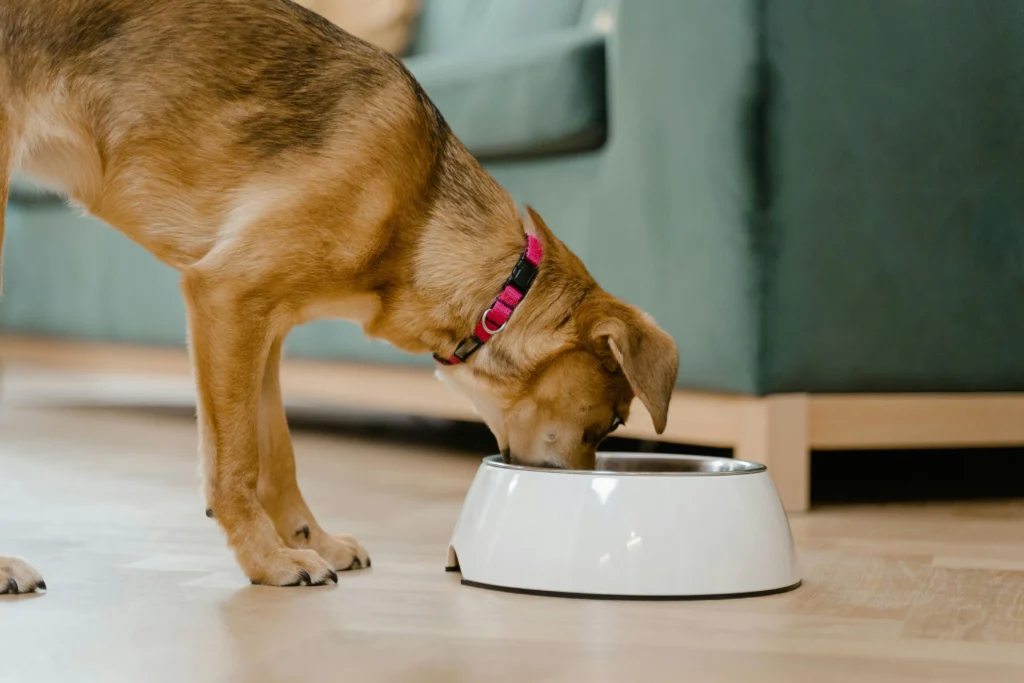
Many owners search for how to add fat to dogs diet because fat adds a lot of calories in a small amount. This can help a skinny dog gain weight, but you must add fat carefully.
Start small. Add a small amount of salmon oil, fish oil, egg yolk, sardines in water, or a high-fat dog food topper. Watch your dog’s stool, appetite, and comfort for several days.
Do not use bacon grease, butter, fried foods, pizza crust, sausage, or oily fast food. These foods may add calories, but they can also cause diarrhea, vomiting, and pancreatitis risk in sensitive dogs. The AKC’s 2026 peanut butter guidance also warns that too much rich, fatty food can contribute to obesity and pancreatitis.
Good Fats for Dogs That Support Healthy Weight Gain
The best good fats for dogs add calories and support overall health. Healthy fat sources include salmon oil, fish oil, chicken fat in dog food, egg yolk, sardines in water, and small amounts of xylitol-free peanut butter.
Fats help increase meal calories without making the meal too large. This helps dogs that get full quickly. Fat also makes food smell better, which can help picky dogs eat more.
Use fats as part of a balanced meal, not as the whole plan. Your dog still needs quality protein for muscle, carbohydrates for energy, fiber for digestion, and essential nutrients for long-term health.
Best Fats for Dogs in a 2026 Feeding Plan
The best fats for dogs are easy to measure and safe to digest. Salmon oil works well for many dogs because you can add it directly to food. Egg yolks offer fat and protein. Sardines in water provide healthy fats and a strong smell that can encourage eating.
Peanut butter can work as an occasional calorie-dense treat, but choose plain, unsalted, xylitol-free peanut butter. AKC updated its peanut butter guidance in March 2026 and states that most peanut butter is safe for dogs in moderation, but xylitol is toxic and can be life-threatening.
Avoid “more is better” thinking. Too much oil or peanut butter can upset digestion and add unhealthy weight.
Fatty Food for Dogs: Safe Choices and Risky Choices
Not every fatty food for dogs is safe. Choose fatty foods that give useful nutrition, not just grease.
Safe choices include cooked eggs, sardines in water, salmon oil, fish oil, plain cooked chicken thighs, and balanced high-calorie dog food. Risky choices include bacon, sausage, fried chicken, buttery leftovers, creamy sauces, cheese-heavy foods, and fast food.
Also avoid foods that contain onion, garlic, grapes, raisins, chocolate, macadamia nuts, alcohol, caffeine, or xylitol. These foods are unsafe for dogs and should never be used for weight gain.
Best Food to Fatten Up a Dog Without Upsetting the Stomach
The best food to fatten up a dog is usually a higher-calorie complete dog food. This may include puppy food, performance dog food, working-dog formulas, or wet food, depending on your dog’s age and health.
Wet food can help picky dogs because it smells stronger and feels softer. You can also mix kibble with warm water or dog-safe low-sodium broth to improve taste and texture.
Check the calorie count on the label. Some foods look similar but contain very different calories per cup or can. Also check the brand’s recall history. FDA’s recall page was current as of May 12, 2026, and listed several 2026 pet-related recalls, including a May 2026 dog food recall for possible Salmonella contamination.
Natural Weight Gainer for Dogs
A safe natural weight gainer for dogs should support the main diet. It should not replace complete and balanced food.
Good natural add-ons include cooked eggs, plain chicken, turkey, lean beef, rice, oatmeal, pumpkin, sweet potato, plain Greek yogurt, and sardines in water. Add one new food at a time. This helps you spot allergies, loose stool, or vomiting.
For sensitive dogs, start with simple foods like chicken and rice. For active dogs, add more protein and measured healthy fat. For senior dogs, ask your vet first because weight loss can signal health problems.
Human Foods to Fatten Up a Dog Safely
Some human foods to fatten up a dog can help when served plain and in small portions. Good options include cooked eggs, cooked chicken, turkey, lean beef, salmon, sardines in water, rice, oatmeal, pumpkin, sweet potatoes, and plain yogurt.
Keep the food plain. Do not add salt, spices, butter, garlic, onion, sauces, or artificial sweeteners. Many human meals contain ingredients that dogs should not eat.
Use human foods as toppers, not as the full diet. Treats and toppers should usually stay around 10% of daily calories so they do not unbalance the diet. A May 2026 vet-reviewed feeding guide also warns that treats can unbalance a complete diet if owners use too many.
Treats to Help Dogs Gain Weight
The best treats to help dogs gain weight are nutritious, calorie-dense, and easy to digest. Choose freeze-dried meat treats, soft dog treats with real protein, cooked egg pieces, small chicken pieces, dog-safe peanut butter, or high-calorie veterinary treats.
Avoid cheap treats with too much sugar, salt, artificial color, or low-quality fillers. These may add calories, but they do not support healthy weight gain.
Use treats between meals if your dog cannot eat large portions. This helps increase daily calories without stressing digestion.
Weight Gain Snacks for Dogs
Healthy weight gain snacks for dogs can make a big difference when you use them correctly. Offer small snacks between meals instead of leaving food out all day.
Good snack ideas include a cooked egg, a spoon of plain Greek yogurt, a small serving of sweet potato, sardine pieces, or a few high-calorie dog treats. You can also use a lick mat with xylitol-free peanut butter or wet dog food.
Do not free-feed rich snacks. Free-feeding makes it harder to track calories and can reduce interest in balanced meals.
High-Calorie Dog Treats for Weight Gain
Commercial high calorie dog treats for weight gain can help rescue dogs, working dogs, active breeds, and dogs recovering from appetite loss. Look for treats made specifically for dogs, with clear calorie information and feeding directions.
High-calorie gels, nutritional pastes, soft chews, and recovery treats may help, but use them carefully. Too much can cause loose stool or stomach upset.
Also check recall updates before buying raw, freeze-dried, or fresh products. In May 2026, the FDA published an Albright’s Raw Pet Food recall for select Chicken Recipe for Dogs Complete and Balanced 1 lb bricks due to possible Salmonella contamination. The FDA noted that Salmonella can affect pets and can also spread to people through contaminated food, surfaces, or contact with infected pets.
Simple 2026 Weight Gain Feeding Plan
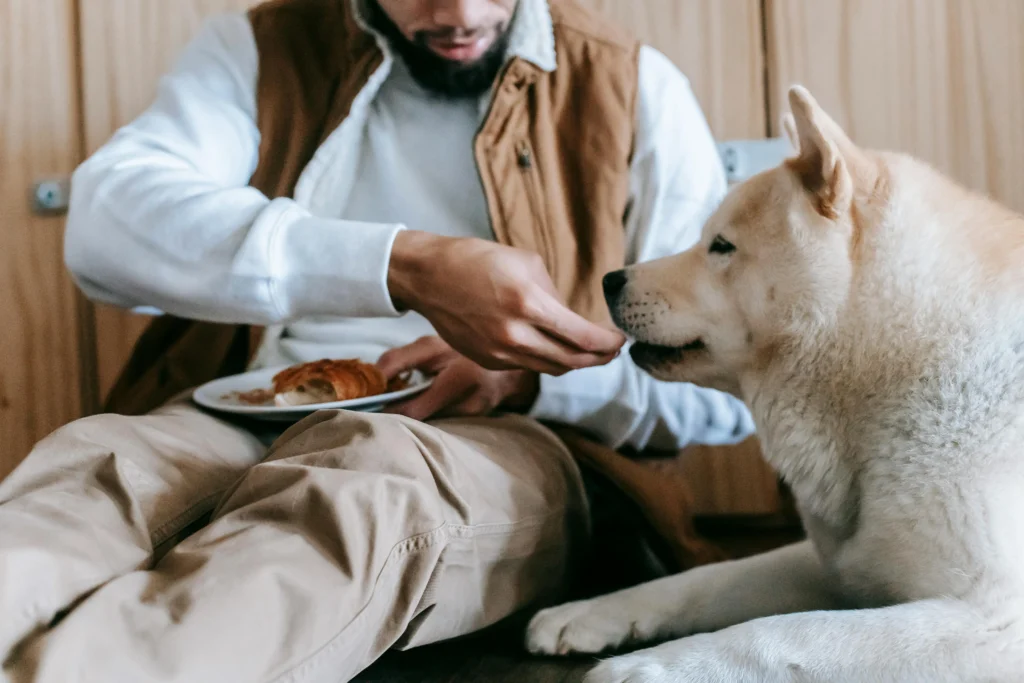
Start with a vet check if your dog looks very thin, loses weight quickly, refuses food, or shows digestive symptoms. Then choose a complete and balanced higher-calorie dog food.
Feed three to four smaller meals daily. Add one safe topper at a time. Use healthy fats in measured amounts. Track your dog’s weight once a week.
Take photos from the side and above every week. This helps you see real progress. Do not judge progress only by the scale because muscle, frame size, age, and breed also matter. AKC’s 2026 dog weight guidance notes that size and frame affect how weight gain impacts a dog, and even one extra pound can matter more for small dogs than large dogs.
Foods to Avoid When Helping a Dog Gain Weight
Do not use unsafe foods to add fast calories. Avoid bacon grease, fried foods, sausage, pizza, butter, heavy cream, salty leftovers, onion, garlic, chocolate, grapes, raisins, xylitol, alcohol, caffeine, and macadamia nuts.
Also avoid sudden diet changes. Mix new food with old food gradually over several days unless your vet tells you otherwise.
If your dog develops vomiting, diarrhea, belly pain, weakness, or refusal to eat, stop the new food and call your vet.
Final Thoughts
So, What can I feed my dog to gain weight fast? Feed a complete and balanced high-calorie dog food, offer smaller frequent meals, add measured healthy fats, and use safe toppers like eggs, chicken, rice, sweet potato, sardines, and salmon oil.
Use good fats for dogs, choose the best fats for dogs, and offer weight gain snacks for dogs in controlled portions. Avoid greasy human leftovers and unsafe foods.
Healthy weight gain should improve your dog’s strength, energy, appetite, and body condition. A smart 2026 feeding plan focuses on safe calories, balanced nutrition, label awareness, recall checks, and veterinary guidance.