

If you are wondering how often should i bathe my dog in winter, the simple answer is: most dogs only need a bath every 4 to 8 weeks during winter, depending on their coat type, skin condition, smell, activity level, and how dirty they get. Winter bathing needs extra care because cold weather can dry out your dog’s skin and make them uncomfortable if they are not dried properly. The goal is not to bathe your dog too often, but to keep them clean, healthy, warm, and free from bad odor.
Many dog owners think frequent bathing is always better, but that is not true. Dogs have natural oils on their skin that protect their coat, prevent dryness, and support healthy skin. Bathing too much can remove these oils, especially in winter when the air is already dry. On the other hand, not bathing your dog at all can lead to dirt buildup, odor, itching, and skin irritation. So, the best routine is balanced and based on your dog’s needs.
How Often Should I Bathe My Dog in Winter?
For most healthy adult dogs, bathing once every 4 to 8 weeks in winter is enough. If your dog mostly stays indoors, does not roll in mud, and does not smell bad, you may only need to bathe them every 6 to 8 weeks. If your dog goes outside often, plays in wet areas, or has a strong dog smell, bathing every 4 weeks may be better.
However, you should avoid bathing your dog every week unless your veterinarian recommends it. Weekly baths can dry out the skin, cause flakes, increase itching, and make the coat look dull. Winter weather makes this worse because indoor heating can also reduce moisture in the air.
Some dogs need more frequent cleaning, but not always a full bath. For example, if your dog’s paws, belly, or legs get dirty after a walk, you can simply wipe those areas with a damp towel or pet-safe wipes. This keeps your dog clean without removing too many natural oils from the skin.
Why Winter Bathing Is Different from Summer Bathing
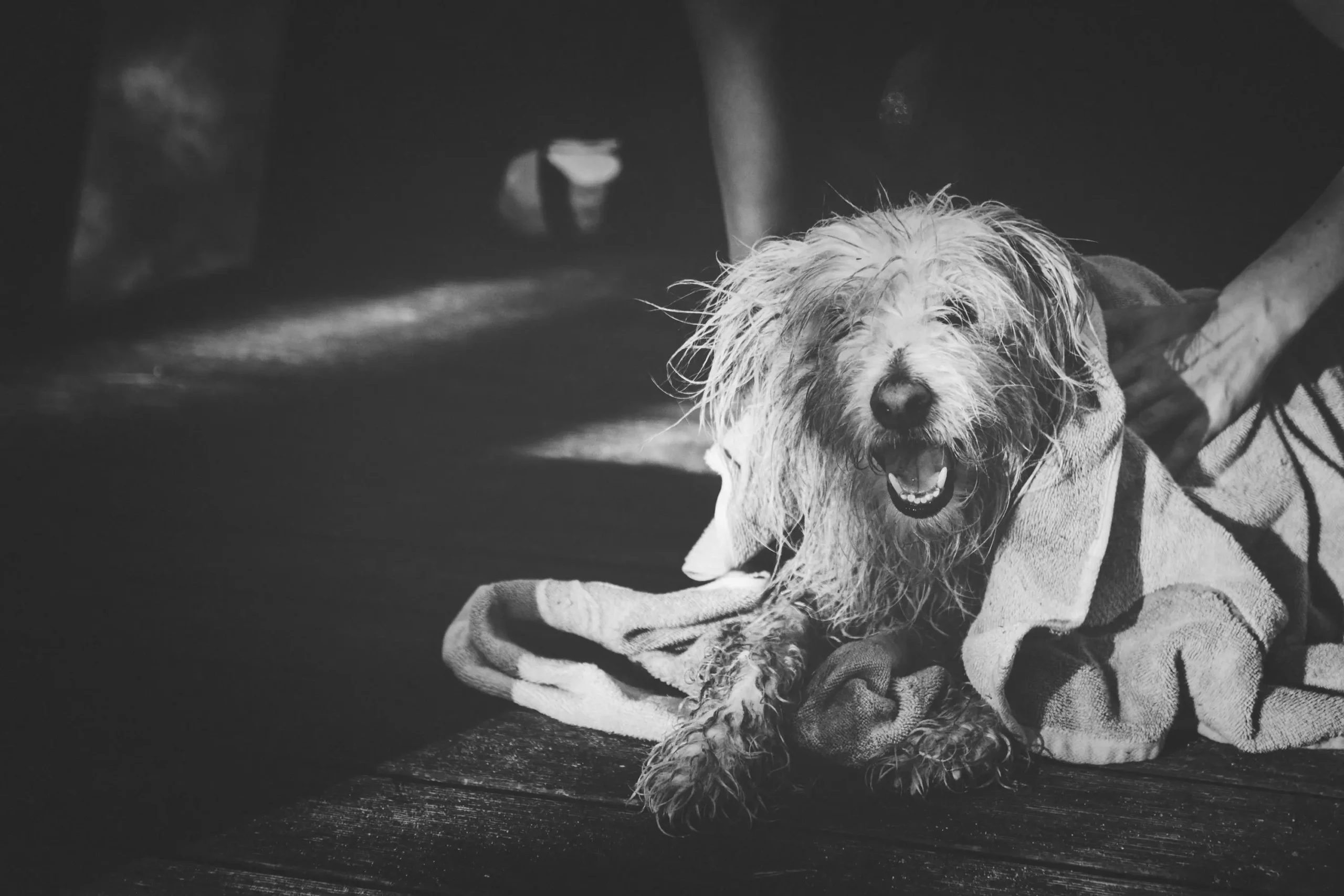
Winter bathing is different because dogs take longer to dry in cold weather. If your dog stays wet for too long, they may feel cold, uncomfortable, or stressed. A damp coat can also trap moisture close to the skin, which may lead to irritation or odor.
Cold weather can also make your dog’s skin drier than usual. Just like humans, dogs can experience dry skin in winter because of cold outdoor air and heated indoor rooms. If you bathe your dog too often during this season, their skin may become itchy, flaky, or sensitive.
This is why winter baths should be gentle, warm, and well-planned. Always use lukewarm water, not hot water. Hot water may feel comfortable at first, but it can strip natural oils and make dryness worse. After the bath, dry your dog completely with towels and, if your dog is comfortable with it, use a pet-safe dryer on a low or warm setting.
Signs Your Dog Needs a Bath in Winter
You do not always need to follow a strict calendar. Sometimes your dog will show clear signs that they need a bath. These signs include:
Your dog has a strong odor that does not go away after brushing. Their coat feels greasy, sticky, or dirty. They rolled in mud, snow mixed with dirt, garbage, or something smelly. They are scratching more than usual because of dirt buildup. Their paws, belly, or legs are covered in dirt after outdoor walks.
If your dog has a bad odor even shortly after bathing, it may not be a hygiene problem. It could be related to skin infection, ear infection, allergies, dental issues, or anal gland problems. In that case, you should speak with a veterinarian instead of bathing more often.
Best Way to Bathe Your Dog in Winter
The best winter bath starts before your dog even gets wet. First, brush your dog’s coat to remove loose hair, dirt, and tangles. This helps the shampoo work better and makes drying easier. For long-haired dogs, brushing before bathing is very important because wet tangles can become tighter and harder to remove.
Use lukewarm water and a gentle dog shampoo. Never use human shampoo because a dog’s skin has a different pH level. Human shampoo can cause dryness, itching, and irritation. Choose a moisturizing dog shampoo if your dog has dry skin or a sensitive coat.
Rinse thoroughly because leftover shampoo can make your dog itchy. After rinsing, dry your dog immediately. Use absorbent towels and keep your dog in a warm room until fully dry. Do not let your dog go outside while their coat is still damp.
How to Keep Your Dog Clean Without Frequent Baths
If you want your dog to stay fresh in winter without too many baths, regular grooming is the best solution. Brushing your dog several times a week removes dirt, loose fur, and dead skin. It also spreads natural oils across the coat, which helps keep the fur shiny and healthy.
You can also clean your dog’s paws after every walk. Winter streets may have mud, water, or chemicals that can irritate the paws. Wiping the paws and belly area can prevent dirt from spreading inside your home and protect your dog’s skin.
For mild odor, use a dog-safe deodorizing spray or dry shampoo, but do not overuse these products. They should support grooming, not replace proper bathing when your dog truly needs it.
Puppy Bathing Guide: How Often Can You Bathe a Puppy?
Many new dog owners ask how often can you bathe a puppy, especially during winter. Puppies are more sensitive than adult dogs, so they should not be bathed too often. In general, a puppy can be bathed once every 4 weeks if needed, but only after they are old enough and healthy enough for a bath.
Very young puppies cannot regulate their body temperature well. This means they can get cold quickly after bathing. For this reason, it is usually better to avoid full baths for very young puppies unless they are extremely dirty. Instead, use a warm, damp cloth to clean small, dirty areas.
If your puppy smells normal and is not dirty, there is no need to bathe them frequently. Too many baths can dry their delicate skin and make them uncomfortable.
How Often Should U Bathe a Puppy in Cold Weather?
If you are searching for how often you should bathe a puppy, the safe answer is: only when necessary, and usually not more than once a month. Puppies do not need frequent baths unless they get dirty, have an accident, or smell bad.
In winter, you need to be extra careful. Always bathe your puppy in a warm room, use lukewarm water, and dry them completely right after the bath. Never leave a puppy wet in a cold area. Even a small chill can make them uncomfortable.
Make bath time calm and positive. Use a soft voice, gentle handling, and treats if needed. A puppy’s early bath experiences can affect how they react to grooming later in life. If you make bath time stressful, your puppy may become afraid of water.
How Often to Bathe a Puppy Based on Lifestyle
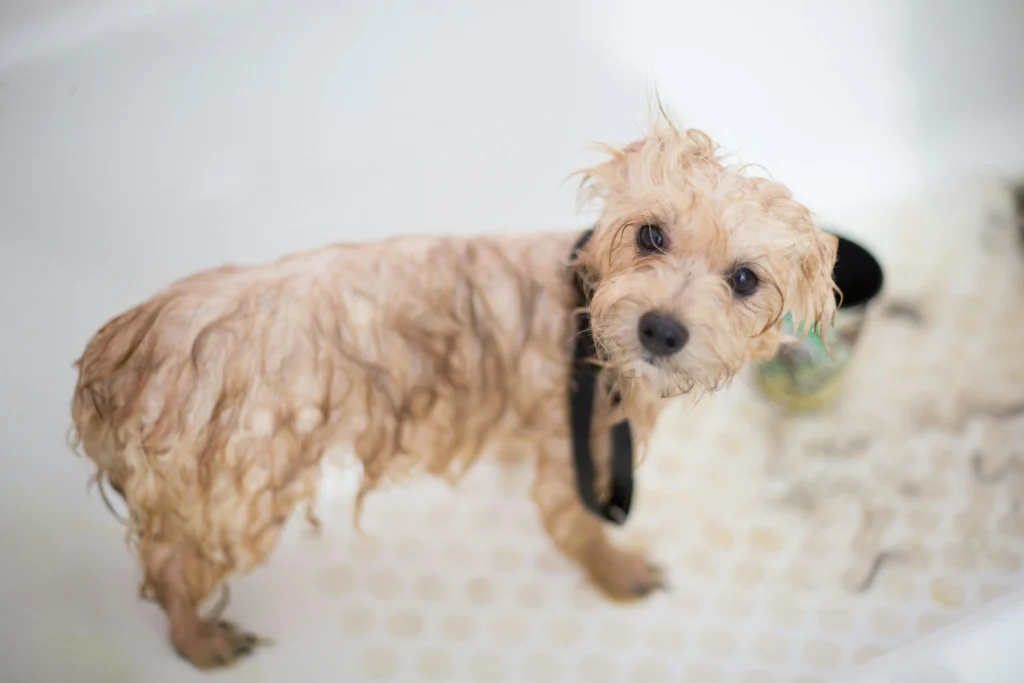
The answer to how often to bathe a puppy depends on your puppy’s daily routine. If your puppy stays mostly indoors and is clean, a bath every 4 to 6 weeks may be enough. If your puppy plays outside, steps in mud, or has accidents, you may need to clean them more often, but that does not always mean a full bath.
For small messes, spot cleaning is better. You can wipe the paws, face, belly, or backside with a warm, damp cloth. This helps keep your puppy clean while protecting their skin from dryness.
Long-haired puppies may need more brushing than bathing. Dirt and tangles can build up in their coat, so regular brushing helps prevent mats and keeps the coat fresh between baths.
How Often Should You Wash a Puppy Safely?
If you are asking how often you should wash a puppy, remember that puppies need gentle care. Washing a puppy too often can remove natural oils and cause dry skin. A safe routine is usually once every month, but only if the puppy actually needs it.
Use a puppy-safe shampoo because regular dog shampoos may be too strong for young skin. Avoid getting shampoo in the eyes, ears, and nose. Rinse carefully and dry the puppy quickly.
If your puppy has skin problems, fleas, itching, redness, or a strong smell, do not solve it by bathing again and again. Speak with a vet because the puppy may need proper treatment.
How Often Should U Wash a Puppy If They Smell Bad?
People often ask how often you should wash a puppy when their puppy starts to smell. A mild puppy smell is normal, but a strong or unpleasant smell may be caused by something else. Dirty fur, urine accidents, ear problems, skin irritation, or dental issues can all create odor.
If the smell is coming from the coat, a gentle bath may help. But if the smell returns quickly, do not keep washing the puppy repeatedly. Too much washing can make skin problems worse. Instead, check the ears, mouth, paws, and skin if you notice redness, discharge, constant scratching, or a bad smell that does not go away. Visit a veterinarian.
Dog Coat Type Matters
Different dogs have different bathing needs. Short-haired dogs usually need fewer baths because their coats are easier to clean. Long-haired dogs may need more grooming, but not always more bathing. Double-coated dogs, such as Huskies and German Shepherds, should not be over-bathed because their coat has natural protection.
Dogs with oily coats may need baths more often than dogs with dry coats. Dogs with allergies or skin conditions may need a special bathing schedule given by a vet. This is why one rule does not fit every dog.
Common Winter Bathing Mistakes to Avoid
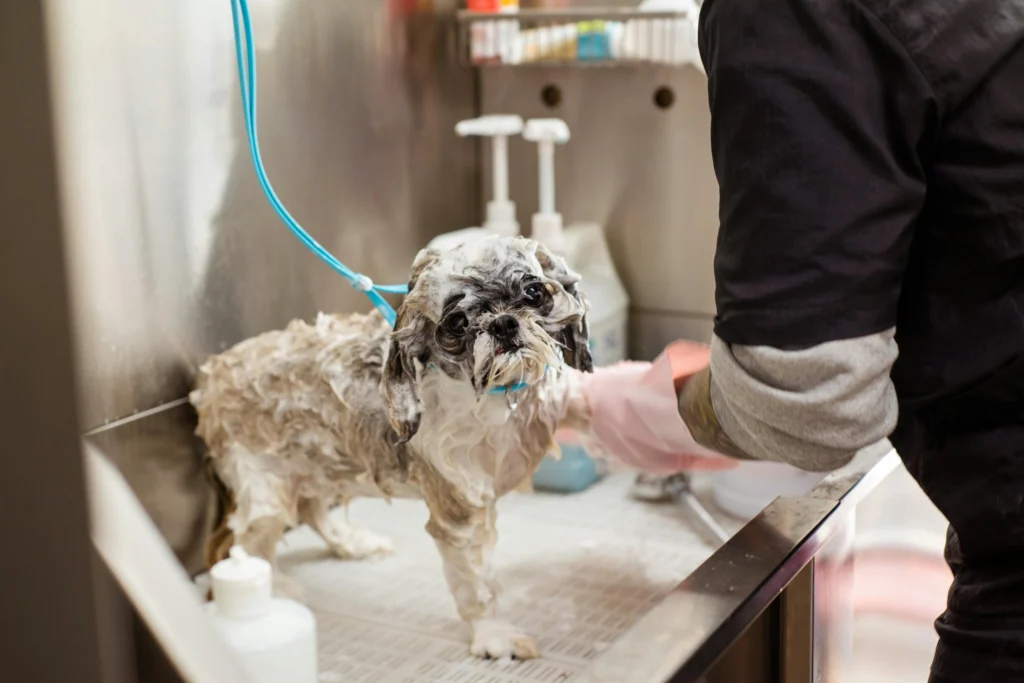
One common mistake is bathing too often. Another mistake is using hot water. Hot water can dry the skin and make itching worse. Some owners also use human shampoo, which is not suitable for dogs.
Another big mistake is not drying the dog properly. In winter, drying is just as important as washing. A dog with a damp coat can become cold and uncomfortable. Also, do not let your dog go outside immediately after a bath.
You should also avoid using strong fragrances. A shampoo that smells powerful may not be gentle for your dog’s skin. Choose mild, dog-safe products instead.
Conclusion
So, how often should I bathe my dog in winter? For most dogs, every 4 to 8 weeks is a healthy winter bathing routine. If your dog is clean, smells normal, and has healthy skin, you do not need to bathe them often. Regular brushing, paw cleaning, and spot cleaning can keep your dog fresh between baths.
For puppies, bathing should be even more careful. Whether you are asking how often you can bathe a puppy, how often you should bathe a puppy, how often to bathe a puppy, how often you should wash a puppy, or how often you should wash a puppy, the best answer is to wash only when needed, usually around once a month, and always keep them warm and dry.
A good winter bathing routine is not about washing your dog as much as possible. It is about keeping your dog clean while protecting their skin, coat, comfort, and health.