

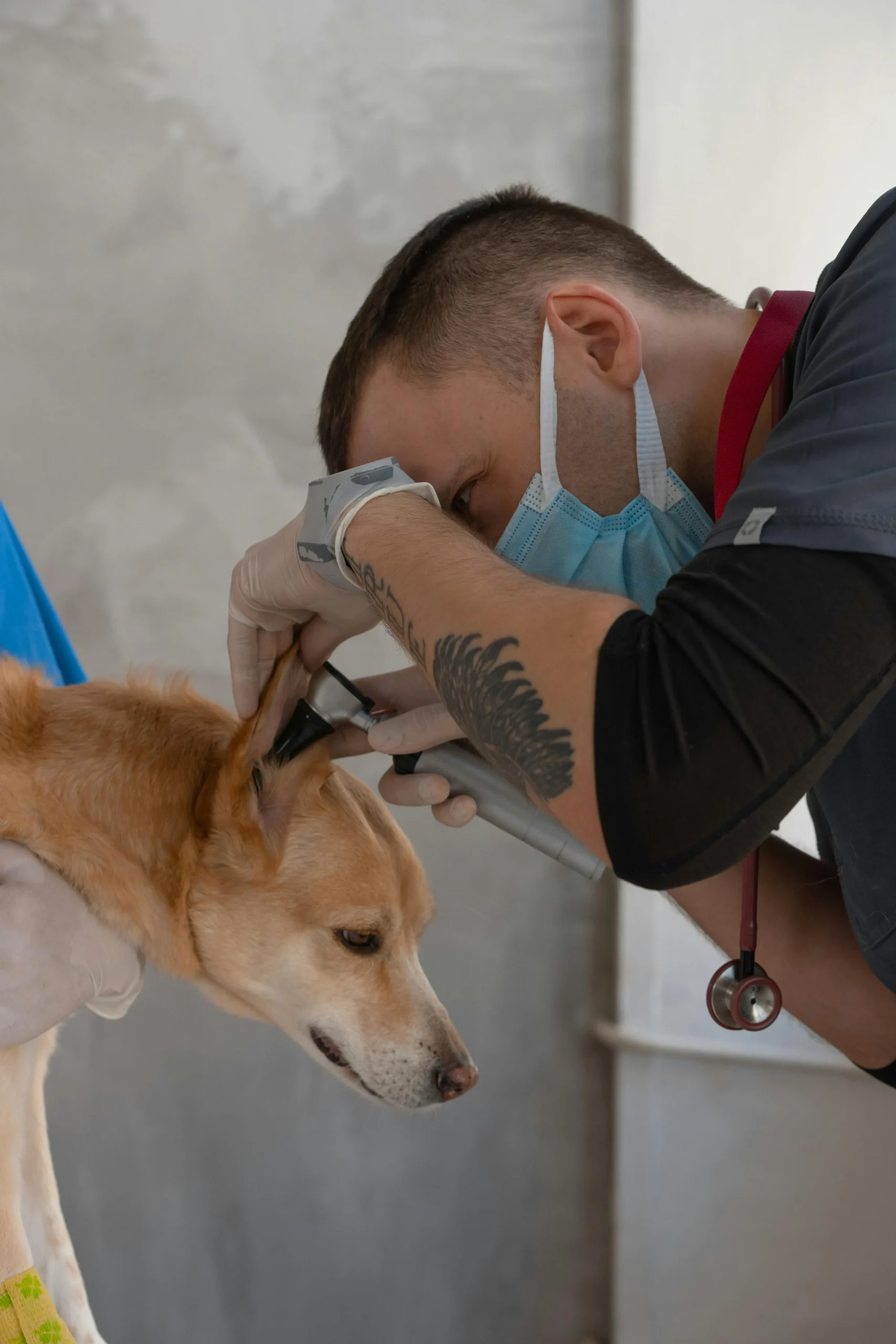
Many pet owners ask, Can you flush a dog’s ear with water? The safest answer is no, you should not flush a dog’s ear with plain water at home, especially if the ear is painful, bleeding, swollen, smelly, or full of discharge. Water can become trapped in the ear canal and irritate sensitive skin or worsen an existing infection. On the flip side, veterinary sources advocate Commercial ear cleaner that is vet approved, instead of water, and checking with a vet beforehand if there are signs of infection or injury before cleaning.
Many species are prone to ear diseases due to holidays, allergies, wax accumulation and swimming; dogs have sensitive hearing canals that it has been trained until back 2023 . Normal wax in small amounts is not a problem, but if there are signs of blood, fetid odor, inflammation, throwing the head back and forth repeatedly and dark discharge do not leave without attention.
Can you flush a dog’s ear with water?
Your dog does not need to be flushed out in plain water unless your veterinarian has advised otherwise. Water is not equivalent as a correct dog ear cleaning solution. Other than plain water, all moisture which does not dry quickly can remain within the ear canal, providing a warm lake to breed moisture loving bacteria or yeast.
Ear cleaner approved by a vet, specifically developed to soften wax and particles and help ear drying more properly. VCA advices ear cleansing solution use, letting the canine shake their head then using a cotton bud to wipe off any loosened debris in the outer ear or gauze.
If your dog’s ear is bleeding, painful, very red, swollen, or has a strong smell, do not flush it. Cleaning an injured or infected ear without knowing the cause can cause more pain and may push debris deeper into the canal.
Why Plain Water Is Risky for Dog Ears
Water may seem harmless, but a dog’s ear canal is shaped differently from a human’s. Moisture can become trapped inside, especially in dogs with floppy ears or narrow ear canals. When the ear stays wet, the skin barrier can weaken, making irritation and infection more likely.
The Merck Veterinary Manual explains that ear canals should be kept dry and well ventilated, and that preventing water from entering the ear during bathing can help reduce moisture-related problems.
This is why dog owners in the United States and United Kingdom should be careful after bathing, swimming, or grooming. Drying the outer ear is helpful, but forcing water deep into the ear is not safe.
water in dogs ear: What Happens If Water Gets Trapped?
Water in dogs ear can cause discomfort, itching, head shaking, and irritation. Some dogs may shake their head once or twice after swimming or bathing, which can be normal. However, repeated shaking, scratching, redness, odor, or discharge can point to an ear problem.
Moisture trapped inside the ear canal can contribute to bacterial or yeast overgrowth. Dogs that swim often, have allergies, or have floppy ears may be more likely to develop ear irritation after water exposure.
If your dog keeps shaking its head after a bath or swim, gently dry the outside of the ear with a soft towel or cotton pad. Do not insert cotton swabs deep into the ear canal, because they can push wax and debris deeper.
can dogs get water in their ears
Yes, can dogs get water in their ears is a common concern, and the answer is yes. Dogs can get water in their ears during swimming, bathing, rain, grooming, or even rough outdoor play.
A small amount of water may come out naturally when the dog shakes its head. The problem starts when moisture stays trapped, especially in breeds with heavy ear flaps such as Cocker Spaniels, Basset Hounds, Labradors, Golden Retrievers, and some Poodles.
To reduce risk, avoid spraying water directly into the ear canal during baths. Use a damp cloth to clean around the ear instead of pouring or flushing water inside.
Dog swimmer ear
dog swimmer ear is a common way pet owners describe ear irritation after swimming. It is not always a formal diagnosis, but it usually refers to moisture-related ear discomfort, inflammation, or infection.
Dogs that swim often may need a prevention routine recommended by a vet. This may include drying the ears after swimming and using a vet-approved drying ear cleaner if your dog is prone to ear infections.
Do not use alcohol, hydrogen peroxide, vinegar, or homemade ear drops unless your veterinarian approves them. These substances can burn irritated skin and may be dangerous if the eardrum is damaged.
why is my dogs ear bleeding
If you are asking why is my dogs ear bleeding, there are several possible causes. A dog’s ear may bleed because of scratching, a cut on the ear tip, an ear infection, mites, a foreign object, trauma, a bite wound, or heavy head shaking.
Ear infections can cause itching, redness, swelling, discharge, odor, pain, and head shaking. PDSA notes that ear infections are often linked to underlying issues such as allergies, mites, growths, wax, or excessive cleaning.
Bleeding should be taken seriously. Even a small ear-tip cut can bleed a lot because ear flaps have many blood vessels. If bleeding is coming from inside the ear canal, your dog needs veterinary attention.
dog ear tip bleeding treatment
For dog ear tip bleeding treatment, start by staying calm. If the bleeding is from the outer ear flap or tip, apply gentle pressure with clean gauze or a clean cloth for several minutes. Keep your dog as still as possible, because head shaking can reopen the wound.
Do not pack anything deep into the ear canal. Do not pour water into the ear. Do not use human antiseptics unless your vet has approved them.
Once the bleeding slows, contact your vet for advice. Ear-tip wounds often reopen because dogs shake their heads. A vet may need to clean the wound, check for infection, bandage the ear, or treat the underlying cause of scratching or shaking.
Dog ear wound treatment
Safe dog ear wound treatment depends on where the wound is and how deep it is. A small surface scratch on the outer ear may need gentle cleaning around the area, but deeper cuts, punctures, swelling, pus, bad smell, or ongoing bleeding require a vet exam.
If the wound is near the ear canal, avoid home flushing. You may not be able to see whether the eardrum or deeper structures are involved. Cleaning the wrong way can cause pain and may worsen the injury.
A veterinarian can check whether the wound is caused by trauma, infection, parasites, allergies, or a foreign body. Treating only the visible wound is not enough if your dog keeps scratching because the main problem is still there.
Dog ear bleeding shaking head treatment
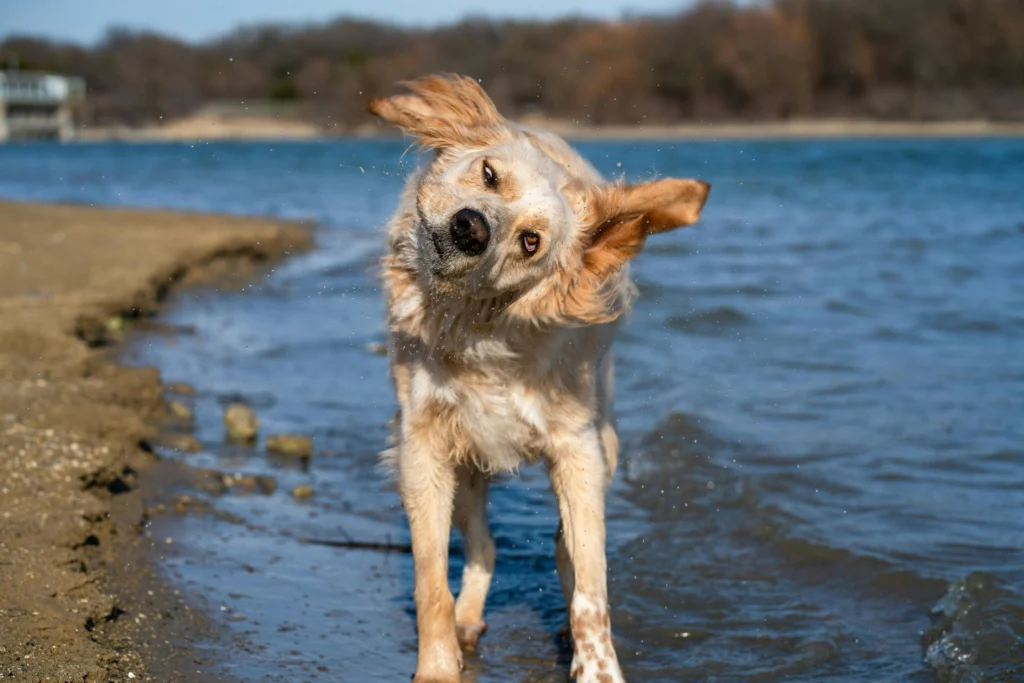
dog ear bleeding shaking head treatment should focus on stopping the bleeding and finding the cause of the head shaking. Dogs often shake their heads when their ears itch, hurt, or feel blocked.
Repeated head shaking can cause more bleeding and may also lead to an ear hematoma, which is a painful swelling of the ear flap caused by blood collecting under the skin. Ear swelling, sudden drooping of the ear, or a soft fluid-filled pocket needs prompt veterinary attention.
Until you reach a vet, gently control any outer-ear bleeding with clean gauze. Prevent your dog from scratching if possible. An Elizabethan collar may help stop further injury, but it does not replace veterinary care.
How to keep dogs ears up to dry
Many owners ask how to keep dogs ears up to dry after bathing or swimming. The goal is to improve airflow without forcing anything into the ear.
After a bath, lift the ear flap gently and wipe the visible outer ear with a soft towel or cotton pad. Let your dog shake naturally. Keep your dog in a warm, dry area for a while so the ears can air out.
For floppy-eared dogs, you can gently hold the ear flap open for a short time while drying the outside. Do not tape the ears up tightly, and do not use clips that pull hair or skin. If your dog often gets ear infections after swimming, ask your vet about a drying ear cleaner.
Safe Way to Clean a Dog’s Ear
Only clean your dog’s ears when needed. Many healthy dogs do not need regular deep ear cleaning. PDSA advises checking for redness, discharge, pus, bad smell, or heavy dark wax before cleaning, because these signs may mean your dog needs a vet instead of routine cleaning.
A safer cleaning routine usually includes a vet-approved ear cleaner, cotton balls or gauze, and gentle handling. Lift the ear flap, apply the cleaner as directed, massage the base of the ear, let your dog shake, and wipe only the visible outer ear.
Never push cotton swabs deep into the ear canal. Merck’s dog-owner guidance warns against using anything that pushes debris deeper into the canal.
When You Should Not Clean or Flush the Ear
Do not clean or flush your dog’s ear at home if there is bleeding from inside the ear, severe pain, swelling, a bad smell, thick discharge, loss of balance, head tilt, or sudden hearing changes.
You should also avoid cleaning if your dog cries, snaps, pulls away, or seems extremely uncomfortable. Pain can mean infection, injury, foreign material, or a damaged eardrum.
In these cases, your dog needs a veterinarian. Ear problems can become chronic when the underlying cause is not treated properly.
Common Signs of Dog Ear Infection
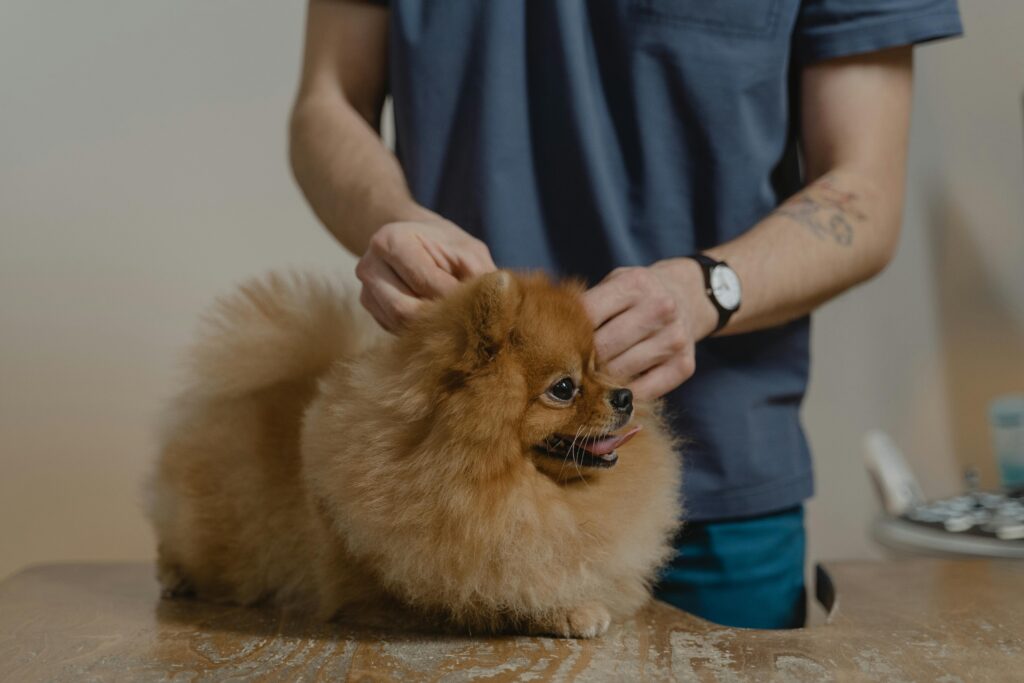
Common signs of ear infection include head shaking, scratching, rubbing the ear, redness, swelling, discharge, odor, pain, itchiness, crusting, or scabs. AKC lists these as common symptoms of dog ear infections.
Some dogs also become sensitive when you touch their head or ears. Others may tilt the head or seem less active because the ear is painful.
If symptoms last more than a day, return after cleaning, or include blood, book a vet appointment. Early treatment is usually easier than treating a long-term ear problem.
Final Answer: Should You Flush a Dog’s Ear With Water?
No, you should not flush a dog’s ear with plain water at home. Water can stay trapped, irritate the ear canal, and may increase the risk of infection in dogs prone to ear problems.
Use a vet-approved ear cleaner only when cleaning is appropriate, and do not clean an ear that is bleeding, very painful, swollen, or full of discharge. For bleeding, repeated head shaking, bad smell, or suspected infection, the safest solution is veterinary care.
For US and UK dog owners, the best approach is simple: keep ears dry, avoid forcing water into the canal, clean only when needed, and contact a vet when symptoms appear. This protects your dog from pain, infection, and long-term ear damage.