

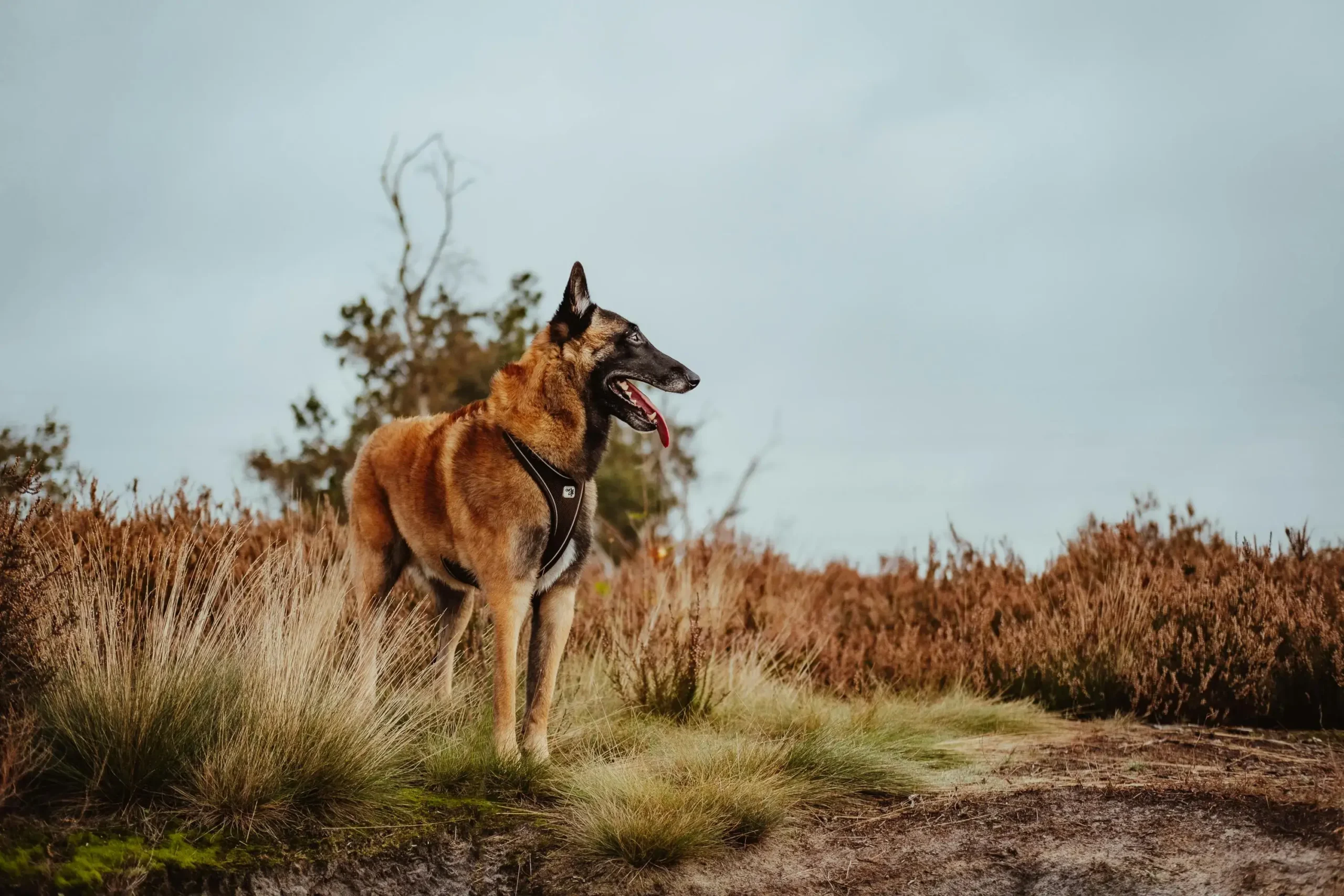
Belgian Malinois training is not something you can treat casually. This is a highly intelligent, energetic, and driven working dog breed. A Belgian Malinois can become an obedient, focused, and loyal companion, but only when training starts early and stays consistent.
The mistake many owners make is thinking this dog only needs basic commands. That is not enough. A Belgian Malinois needs structure, daily exercise, mental stimulation, socialization, and clear rules. Without proper training, this breed can become restless, destructive, overly protective, or difficult to control.
This guide explains how to train a Belgian Malinois from puppy to adult, including obedience training, crate training, leash training, socialization, biting control, training mistakes, and practical tips for owners.
Are Belgian Malinois Hard to Train?
Belgian Malinois are not hard to train because they lack intelligence. They are hard to train because they have more energy, drive, and intensity than many average family dogs.
According to the Belgian Malinois breed profile, this breed is intelligent, active, and work-driven
They learn quickly, but they also learn bad habits quickly. If you are inconsistent, lazy, or unclear, your Malinois will notice. This breed needs a confident owner who can provide leadership without being harsh.
A Belgian Malinois is usually best for owners who can commit time every day to training, exercise, and mental work. If you only want a low-maintenance pet, this breed can overwhelm you.
When Should Belgian Malinois Puppy Training Start?
Belgian Malinois puppy training should start as soon as the puppy comes home. You do not need to wait until the dog is older. In fact, waiting too long is one of the biggest mistakes owners make.
Start with simple lessons:
- Name recognition
- Coming when called
- Sitting before food
- Crate introduction
- Potty routine
- Gentle leash exposure
- Handling paws, ears, and mouth
- Calm behavior around people
Training should be short and positive. Young puppies do not need long sessions. Five to ten minutes several times a day is better than one long session.
Belgian Malinois Puppy Training Schedule
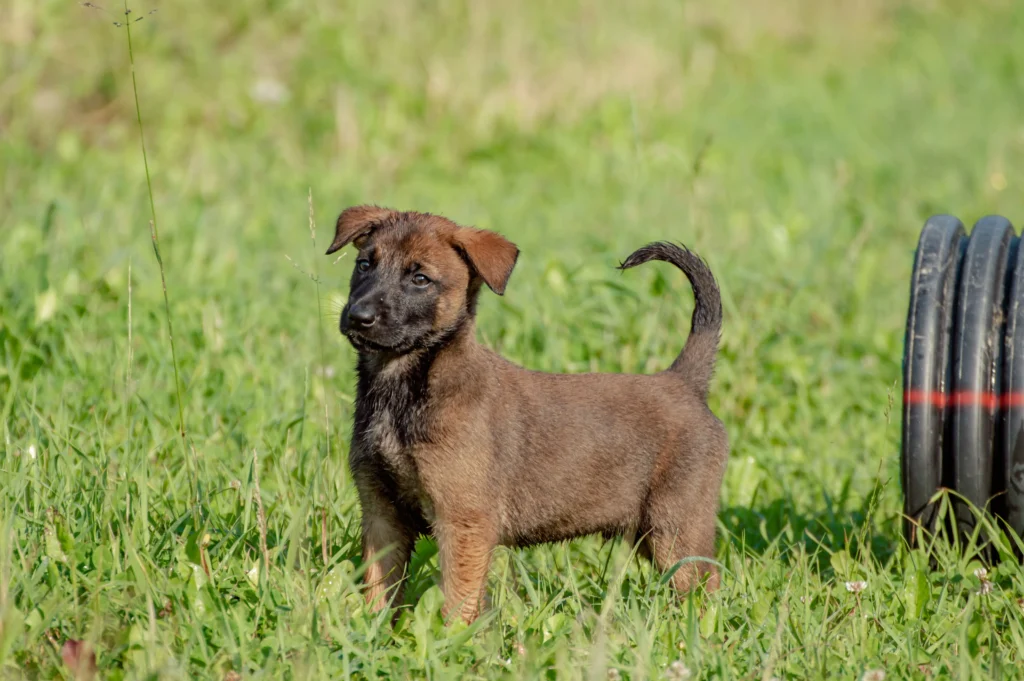
A proper training schedule helps your puppy understand what is expected. Belgian Malinois puppies do best when life feels structured.
8 to 12 Weeks
At this age, focus on trust, routine, and basic habits.
Teach:
- Name response
- Sit
- Come
- Crate comfort
- Potty routine
- Gentle handling
- Short socialization experiences
Avoid intense physical exercise. Puppies are still developing. Keep training light, positive, and simple.
3 to 6 Months
At this stage, your Malinois puppy will have more energy and confidence. This is the time to build stronger obedience.
Teach:
- Stay
- Down
- Leave it
- Drop it
- Loose leash walking
- Waiting at doors
- Calm greeting behavior
You should also continue socialization. Introduce the puppy to different sounds, surfaces, people, and safe environments.
6 to 12 Months
This is when many owners start struggling. Your dog may become stronger, faster, and more independent.
Focus on:
- Reliable recall
- Heel training
- Impulse control
- Longer stays
- Ignoring distractions
- Calm behavior in public
- Controlled play and exercise
Do not let bad habits become normal. Pulling, jumping, biting, barking, and ignoring commands must be corrected through consistent training.
Basic Obedience Training for Belgian Malinois
Obedience training is the foundation of Belgian Malinois dog training. Without obedience, advanced training becomes risky and unreliable.
Start with these commands:
- Sit
- Stay
- Come
- Down
- Heel
- Leave it
- Drop it
- Place
Use the same command words every time. Do not keep changing words because it confuses the dog.
For example, if you use “come,” do not sometimes say “here,” “come here,” or “get over here.” Pick one command and stay consistent.
Use Positive Reinforcement
Belgian Malinois respond well to positive reinforcement. This means rewarding the behavior you want instead of only punishing the behavior you dislike.
Reward-based methods like positive reinforcement training help build trust and better behavior.
Rewards can include:
- Treats
- Toys
- Praise
- Play
- Access to activity
Many Belgian Malinois are highly toy-driven. A ball or tug toy can be more powerful than food for some dogs.
The key is timing. Reward the dog immediately after the correct behavior so they understand what they did right.
Crate Training a Belgian Malinois
Crate training is important for Belgian Malinois puppies and adults. A crate gives your dog a safe place to rest and helps prevent destructive behavior when unsupervised.
Start slowly:
- Let the puppy explore the crate.
- Place treats or toys inside.
- Feed meals near or inside the crate.
- Close the door for short periods.
- Increase crate time gradually.
Never use the crate as punishment. The goal is to make the crate feel safe, not scary.
A properly crate-trained Belgian Malinois learns how to relax, which is extremely important for such a high-energy breed.
Potty Training
Potty training requires routine. Take your Belgian Malinois puppy outside:
- After waking up
- After eating
- After drinking
- After playing
- Before bedtime
- Every few hours during the day
Praise the puppy immediately after they go potty outside. Do not punish accidents harshly. Clean the area properly and improve your routine.
Most potty training problems happen because the owner gives too much freedom too early.
Regular pet health checks can also help rule out medical issues if your puppy is having frequent accidents.
Leash Training
Leash training is essential because Belgian Malinois are strong, fast, and alert. If they learn to pull as puppies, walking them as adults becomes difficult.
Start leash training in a quiet area. Reward your dog for walking beside you without pulling.
Teach:
- Loose leash walking
- Heel
- Stop and wait
- Focus on owner
- Ignoring distractions
Do not let your dog drag you toward every smell, person, or dog. Every walk is training.
Socialization Training
Socialization does not mean letting your Belgian Malinois run up to every dog and person. Real socialization means teaching your dog to stay calm and confident in different situations.
Expose your dog to:
- Different people
- Other dogs from a safe distance
- Cars and traffic sounds
- Children
- Different walking surfaces
- Vet visits
- Grooming tools
- Public places
The goal is neutrality. Your dog does not need to love everything. They need to stay controlled and calm.
Poor socialization can create fear, reactivity, and other dog behavior red flags as the puppy grows.
Bite Inhibition and Puppy Biting
Belgian Malinois puppies often bite during play because they are energetic and mouthy. This behavior must be managed early.
To reduce puppy biting:
- Redirect biting to toys
- Stop play when biting becomes hard
- Reward calm behavior
- Avoid rough hand play
- Provide chew toys
- Give enough mental and physical exercise
Do not encourage your puppy to bite your hands for fun. It may look cute at 10 weeks, but it becomes a serious problem when the dog is older and stronger.
Exercise Before Training
A Belgian Malinois cannot focus well if they are full of unused energy. Before training, give your dog controlled exercise.
Good activities include:
- Fetch
- Tug with rules
- Structured walking
- Short running sessions
- Agility practice
- Obedience games
- Puzzle toys
Do not confuse random chaos with useful exercise. The best exercise also teaches control.
Mental Stimulation
Physical exercise alone is not enough. Belgian Malinois need mental stimulation every day.
Use:
- Puzzle feeders
- Scent games
- Obedience drills
- Hide and seek
- Place command practice
- Short trick training
- Search games
A tired mind is just as important as a tired body.
Advanced Belgian Malinois Training Techniques
Once your dog has strong basic obedience, you can move into advanced training.
Advanced training may include:
- Agility
- Tracking
- Protection training
- Search and rescue
- Advanced obedience
- Scent work
Protection training should only be done with a qualified professional. Do not try to create a protection dog by encouraging aggression at home. That is dangerous and irresponsible.
Common Belgian Malinois Training Mistakes
Being Inconsistent
If one day you allow jumping and the next day you punish it, your dog becomes confused. Rules must stay the same.
Not Giving Enough Exercise
A bored Belgian Malinois will create problems. Destructive chewing, barking, digging, and hyperactivity often come from unused energy.
Using Harsh Training
This breed is sensitive and intelligent. Harsh methods can damage trust and create fear or aggression.
Skipping Socialization
A poorly socialized Belgian Malinois can become reactive or overly protective. Socialization should begin early and continue throughout life.
Training Only When Problems Happen
Do not wait for bad behavior before training. Training should be part of daily life.
Belgian Malinois Training Tips
Here are practical tips for successful Belgian Malinois training:
- Start training early.
- Keep sessions short but frequent.
- Use positive reinforcement.
- Be consistent with commands.
- Exercise your dog daily.
- Add mental challenges.
- Socialize carefully.
- Reward calm behavior.
- Do not allow bad habits to grow.
- Get professional help if behavior becomes difficult.
Sample Daily Training Routine
A simple daily routine may look like this:
Morning:
Exercise walk, potty break, and 10 minutes of obedience training.
Afternoon:
Puzzle toy, crate rest, short leash training, or socialization practice.
Evening:
Fetch, tug with rules, recall practice, and calm place command.
This routine can be adjusted depending on your dog’s age, health, and energy level.
FAQs
Is it hard to train a Belgian Malinois?
Belgian Malinois are intelligent and quick learners, but they are not easy dogs for lazy or inexperienced owners. They need daily training, exercise, structure, and mental stimulation.
How do you train a Belgian Malinois puppy?
Start with name recognition, potty training, crate training, socialization, sit, come, and basic leash manners. Keep sessions short and reward good behavior.
What age should Belgian Malinois training start?
Training should start as soon as the puppy comes home. Early training helps prevent bad habits and builds trust.
Are Belgian Malinois good family dogs?
They can be good family dogs for active, experienced owners. However, they need training, supervision, and proper socialization.
How much exercise does a Belgian Malinois need?
Most Belgian Malinois need daily physical exercise plus mental stimulation. The exact amount depends on age, health, and training level.
How do I stop my Belgian Malinois puppy from biting?
Redirect biting to toys, stop play when biting becomes rough, reward calm behavior, and avoid encouraging hand biting.
Can Belgian Malinois be trained at home?
Yes, basic training can start at home. However, advanced training or serious behavior problems should be handled with a professional trainer.
Conclusion
Belgian Malinois training requires commitment, structure, patience, and consistency. This is not a breed that succeeds with casual training or a lazy routine. They need exercise, mental stimulation, socialization, and clear leadership every day.
If you start early, use positive reinforcement, avoid harsh methods, and stay consistent, your Belgian Malinois can become a focused, obedient, and loyal companion. But if you ignore their needs, this breed can quickly become difficult to manage.
Train daily, keep rules clear, and give your Malinois a job to do. That is how you build a well-trained Belgian Malinois from puppy to adult.