

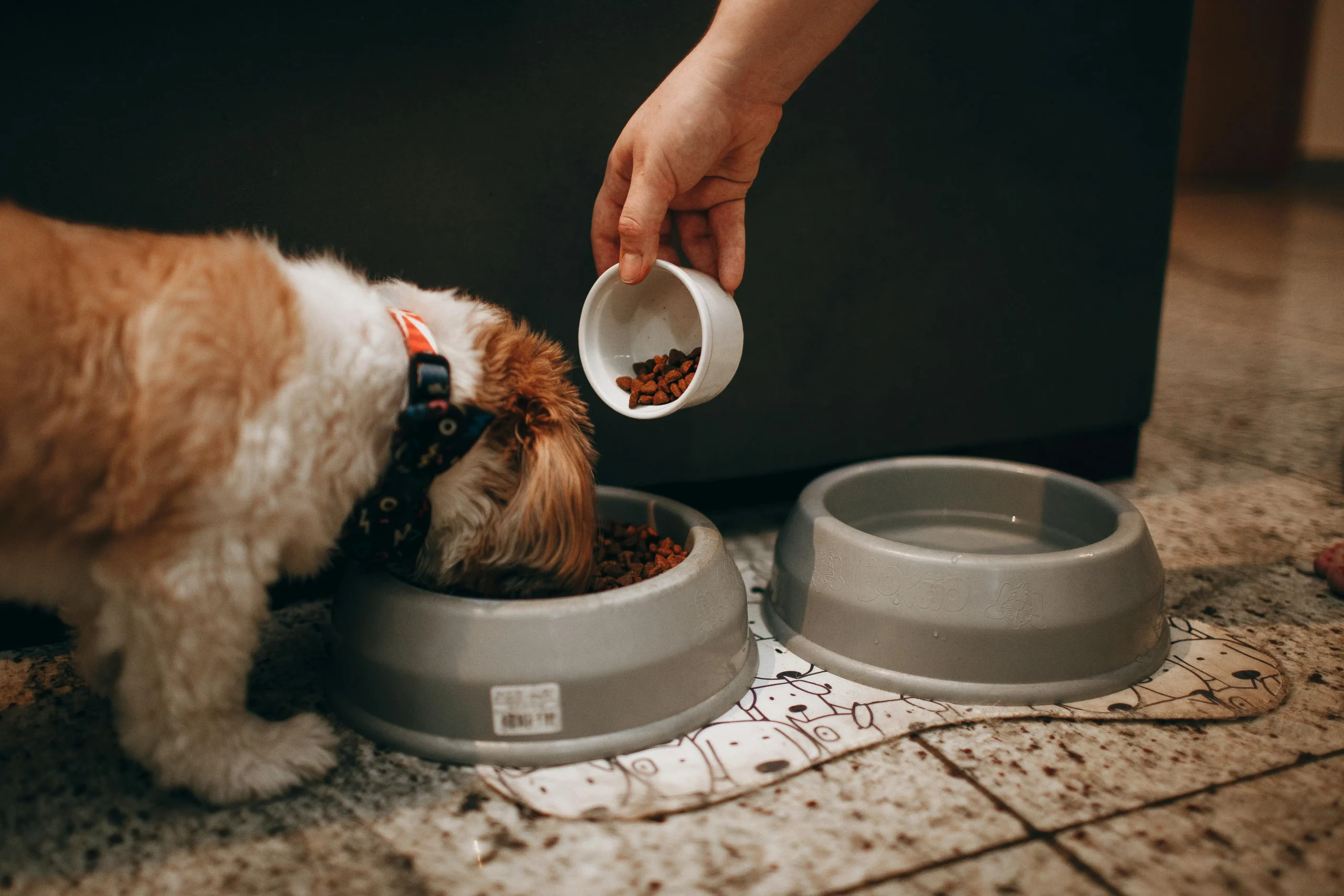
Choosing the best food for 2 month old puppy is important because this age is a major growth stage. A 2-month-old puppy needs food that supports strong bones, healthy digestion, brain development, muscle growth, and steady energy. At this age, puppies should eat high-quality puppy food made specifically for growth, not adult dog food.
Best Food for 2 Month Old Puppy
The best food for 2 month old puppy should be labeled as “complete and balanced” for puppies or growth. In the USA, look for puppy foods that meet AAFCO standards. This means the food contains the right nutrients for a growing puppy.
A good puppy food should include:
- High-quality animal protein like chicken, beef, lamb, turkey, or fish
- balanced nutritionHealthy fats such as omega-3 and omega-6 fatty acids
- DHA for brain and eye development
- Calcium and phosphorus for strong bones
- Digestible carbohydrates like rice, oats, or sweet potatoes
- Vitamins and minerals for immune support
At 2 months old, puppies usually need soft, easy-to-chew food. You can feed dry kibble softened with warm water, wet puppy food, or a mix of both.
Why Puppy Food Matters at 2 Months
A 2-month-old puppy is growing quickly. Feeding the wrong food can cause digestive problems, weak growth, low energy, or nutrient imbalance. Adult dog food is not suitable because it does not provide enough calories, protein, and minerals for puppy development.
Puppy food is specially made to support:
- Bone development
- Muscle growth
- Immune system strength
- Healthy coat and skin
- Digestive health
- Brain development
This is especially important for large breeds like Labradors and Golden Retrievers because they need controlled calcium and calories to support healthy bone growth.
Dry Food vs Wet Food for a 2 Month Old Puppy
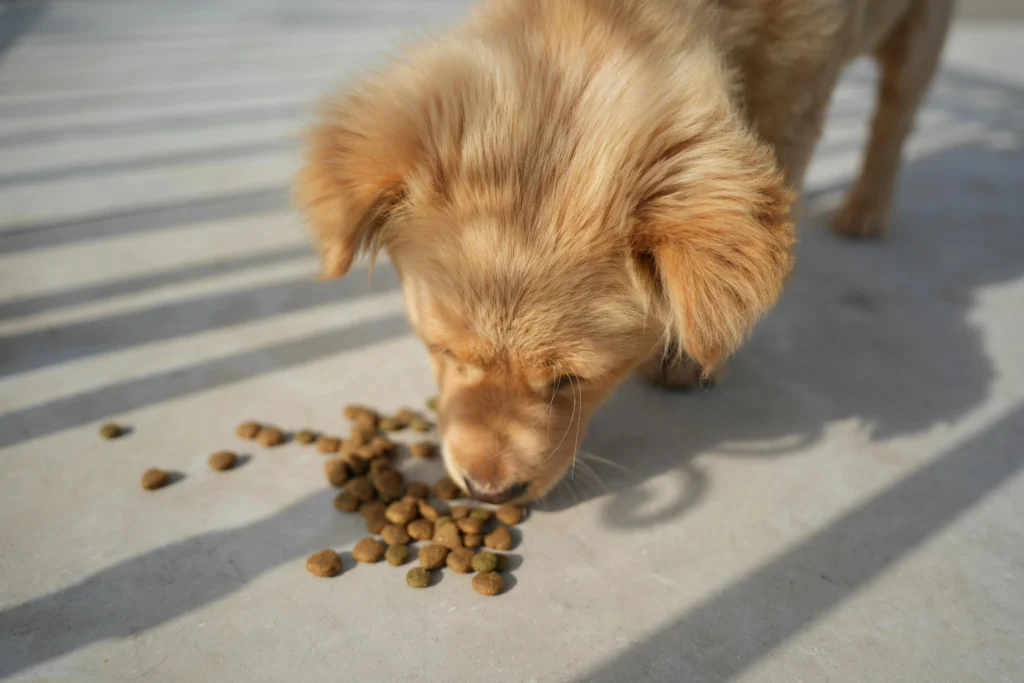
Both dry and wet food can be good options. The right choice depends on your puppy’s breed, chewing ability, and digestion.
Dry puppy food is convenient, affordable,and helps support dental health. However, some 2-month-old puppies may find hard kibble difficult to chew. In that case, soften the kibble with warm water for 5 to 10 minutes.
Wet puppy food is softer and easier to eat. It can be useful for picky puppies or puppies with small mouths. However, it is usually more expensive and may not clean teeth as well as kibble.
A mixed feeding plan can work well. You can combine high-quality dry puppy food with a small amount of wet food to improve taste and texture.
Best Food Types by Breed
Different breeds have different nutritional needs. A small Maltipoo does not need the same food portion as a Labrador puppy. Breed size matters when choosing puppy food.
Labrador Puppies
For Labrador puppies, choose large-breed puppy food. The best dog food for labradors should support joint health, controlled growth, and lean muscle. Labradors can gain weight quickly, so avoid overfeeding.
The recommended puppy food for labs should include quality protein, DHA, calcium, phosphorus, and joint-supporting nutrients. Large-breed puppy formulas are usually better than regular puppy formulas because they help reduce the risk of fast, unhealthy growth.
Golden Retriever Puppies
The best dog food for golden retriever puppy should be designed for large-breed puppies. Golden Retriever puppies need balanced nutrition for bones, joints, skin, and coat health.
Look for food with chicken, lamb, salmon, or turkey as the first ingredient. Omega fatty acids are useful because Golden Retrievers often need extra coat and skin support.
Goldendoodle Puppies
Goldendoodle puppy food should support healthy digestion, skin, coat, and steady growth. Since Goldendoodles are a mix of Golden Retriever and Poodle, their size can vary. Mini Goldendoodles may need small-breed puppy food, while standard Goldendoodles may need large-breed puppy food.
Choose food based on expected adult size. If your Goldendoodle will be over 50 pounds as an adult, large-breed puppy food is usually the better choice.
Maltipoo Puppies
Maltipoo dog food should be made for small-breed puppies. Maltipoos have small mouths, so they need small kibble that is easy to chew. They also have fast metabolisms, which means they may need smaller meals more often.
Choose a small-breed puppy formula with high-quality protein, healthy fats, and easy-to-digest ingredients.
Small Breed Puppies
Small dog puppy food is ideal for breeds like Maltipoo, Yorkie, Chihuahua, Shih Tzu, Toy Poodle, and Pomeranian. Small-breed puppy food usually has smaller kibble and higher calorie density to match their energy needs.
Small puppies can be at risk of low blood sugar if they go too long without food, so regular feeding is important.
How Often Should a 2 Month Old Puppy Eat?

A 2-month-old puppy should usually eat 3 to 4 meals per day. Puppies have small stomachs and need frequent meals for energy and growth.
A simple feeding schedule can be:
Morning: First meal
Midday: Second meal
Afternoon: Third meal
Evening: Fourth meal
As the puppy gets older, you can slowly reduce meals to 3 times per day, then 2 times per day when recommended by your vet.
How Much Food Should You Feed?
The amount depends on the puppy’s breed, weight, activity level, and food brand. Always check the feeding guide on the food package. Start with the recommended amount, then adjust based on your puppy’s body condition.
A healthy puppy should not look too skinny or too round. You should be able to feel the ribs lightly, but they should not be sharply visible.
Overfeeding can cause obesity and joint problems, especially in large breeds. Underfeeding can slow growth and weaken the immune system.
Ingredients to Look For
When choosing the best food for 2 month old puppy, look for these ingredients:
Real meat as the first ingredient
Chicken, lamb, turkey, beef, salmon, or fish meal can provide strong protein support.
DHA
DHA supports brain and vision development.
Omega fatty acids
These help with skin, coat, and immune health.
Calcium and phosphorus
These minerals help build strong bones and teeth.
Probiotics or prebiotics
These support healthy digestion.
Digestible grains or healthy carbs
Rice, oats, barley, and sweet potatoes can provide energy.
Ingredients to Avoid
Avoid puppy foods with poor-quality fillers or unclear ingredients. Be careful with foods that contain:
- Artificial colors
- Too many artificial preservatives
- Excessive corn, wheat, or soy as main ingredients
- Unnamed meat by-products
- Too much fat
- Food not labeled for puppies
Also avoid feeding human foods such as chocolate, grapes, raisins, onions, garlic, cooked bones, spicy food, and salty snacks. These can be dangerous for puppies.
Should You Choose Grain-Free Puppy Food?
Grain-free food is not always better. Many puppies do well with healthy grains like rice, oats, and barley. Unless your vet recommends grain-free food due to a specific allergy or sensitivity, a balanced puppy food with grains can be a safe choice.
For most puppies, the quality of ingredients matters more than whether the food is grain-free.
Tips for Switching Puppy Food
Do not change puppy food suddenly. A quick change can cause diarrhea, vomiting, or stomach upset. Use a slow transition over 7 days.
Day 1–2: 75% old food, 25% new food
Day 3–4: 50% old food, 50% new food
Day 5–6: 25% old food, 75% new food
Day 7: 100% new food
If your puppy develops loose stool, slow the transition.
Common Feeding Mistakes to Avoid
Many new puppy owners make feeding mistakes without knowing it. Avoid these problems:
Feeding adult dog food
Adult food does not provide the right nutrition for puppies.
Overfeeding treats
Treats should not replace balanced meals.
Free-feeding all day
Measured meals help prevent overeating.
Ignoring breed size
Large-breed puppies need different nutrition than small breeds.
Changing food too quickly
Sudden changes can upset digestion.
Not providing fresh water
Puppies need clean water all day.
Final Thoughts
The best food for 2 month old puppy is a high-quality puppy formula that matches your puppy’s breed size, growth needs, and digestion. For Labradors and Golden Retrievers, large-breed puppy food is usually best. For Maltipoos and other small breeds, small dog puppy food with small kibble is a better choice. For Goldendoodles, choose food based on expected adult size.
Whether you need best dog food for labradors, goldendoodle puppy food, maltipoo dog food, recommended puppy food for labs, or the best dog food for golden retriever puppy, the main goal is the same: balanced nutrition, safe ingredients, and steady healthy growth.
Always follow the feeding guide on the package and ask your veterinarian if your puppy has allergies, stomach issues, poor weight gain, or special health needs.