

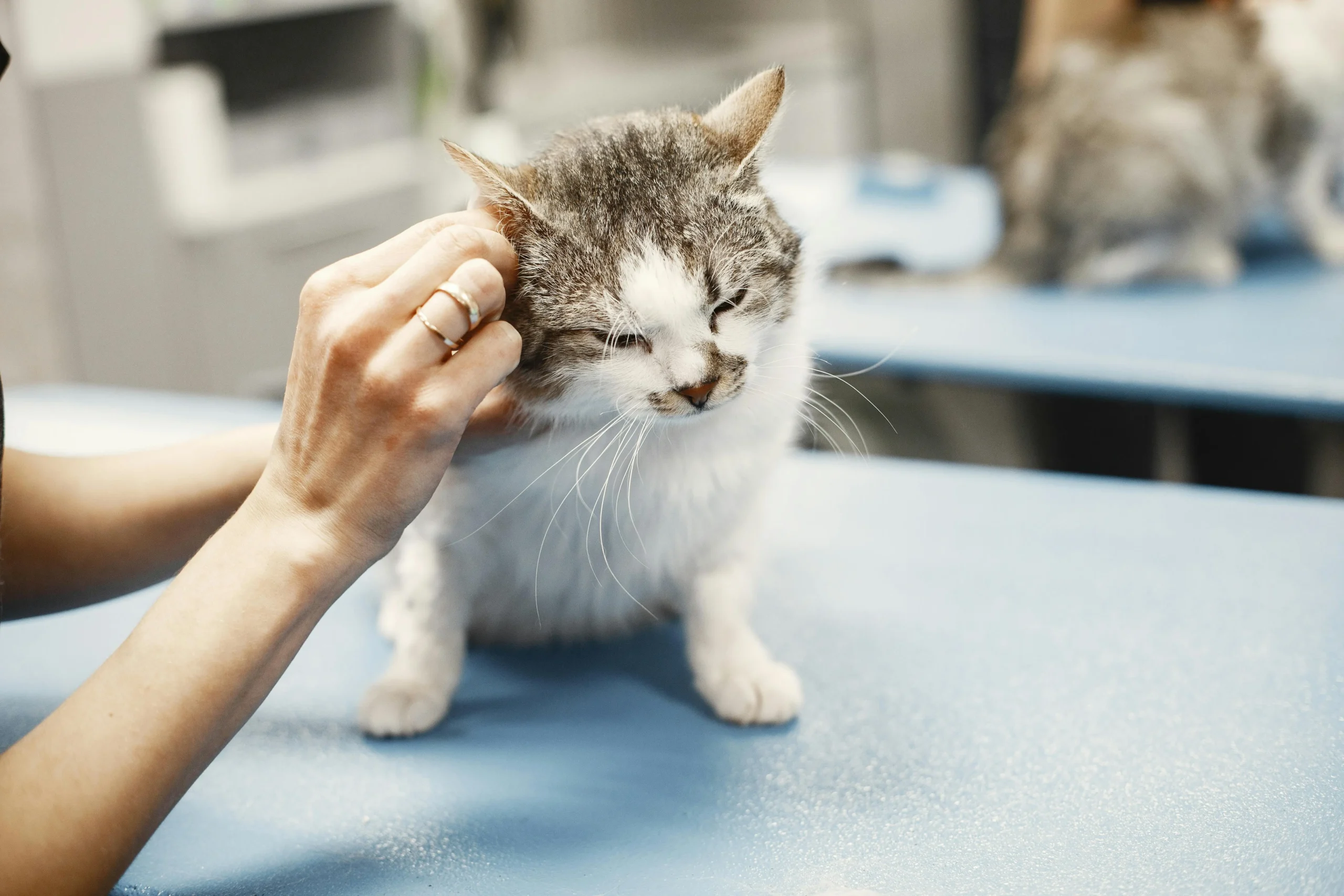
Pets bring happiness, comfort, and companionship to our daily lives. Like humans, animals also need proper medical care to stay healthy. A pet health checkup plays a key role in preventive care and long-term wellness for pets.
Many pet owners visit a veterinarian only when their pet becomes sick. This approach can lead to late diagnosis and serious health problems. Routine veterinary visits help detect early signs of illness and keep pets in the best possible condition.
This guide explains what a pet health checkup involves, why regular veterinary visits matter, and how often your pet should see a veterinarian.
What Is a Pet Health Checkup?
A pet health checkup is a routine medical examination performed by a veterinarian to evaluate your pet’s overall health. These checkups help detect health problems early and ensure that your pet receives proper preventive care.
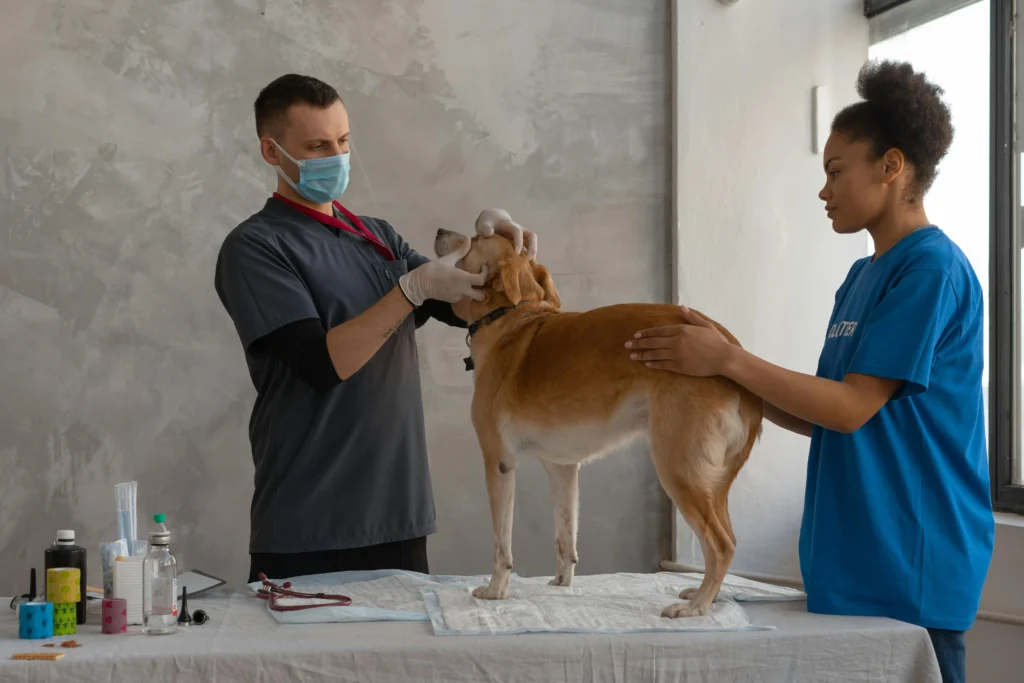
During a pet wellness exam, a veterinarian carefully examines your pet’s body and reviews its health history. The goal is to identify any signs of illness before they become serious.
People who enjoy raising exotic pets should also pay attention to regular health monitoring.
A typical pet health checkup may include:
- Physical examination
- Weight and body condition evaluation
- Heart and lung assessment
- Dental health check
- Skin and coat inspection
- Parasite screening
- Vaccination review
Veterinarians may also ask questions about your pet’s diet, behavior, and activity level. This information helps them understand your pet’s health and lifestyle.
Importance of Regular Pet Health Checkups
Regular veterinary visits are essential for maintaining your pet’s health. Animals cannot explain when they feel discomfort or pain. Many diseases develop slowly and show no visible symptoms in the early stages.
Routine pet health checkups allow veterinarians to monitor your pet’s condition and identify health concerns early.
According to veterinary health experts, routine pet checkups help detect diseases early and improve treatment success.
Here are some important benefits of regular pet checkups.
Early Detection of Diseases
Many health problems such as infections, diabetes, or kidney disease may develop quietly. A veterinarian can detect these issues during a routine exam before they become severe.
Preventive Pet Care
Preventive care includes vaccinations, parasite control, and regular monitoring of weight and dental health. These measures help prevent serious illnesses.
Longer Lifespan
Pets that receive routine medical care often live longer and healthier lives.
Improved Quality of Life
Regular veterinary visits ensure that your pet stays comfortable, active, and free from preventable diseases.
What Happens During a Pet Health Checkup?
Many pet owners feel unsure about what happens during a veterinary visit. Understanding the process can make the experience easier for both you and your pet.
A veterinary health check for pets typically includes several steps.
Physical Examination
The veterinarian begins by examining the eyes, ears, skin, and coat. They check for signs of infection, irritation, or abnormal growth.
Heart and Lung Evaluation
Using a stethoscope, the veterinarian listens to your pet’s heart and lungs. This helps detect irregular heart rhythms or breathing problems.
Weight and Body Condition Check
Maintaining a healthy weight is important for pets. The veterinarian monitors weight changes and body condition.
Dental Health Check
Dental disease is common in pets. The vet examines teeth and gums for plaque buildup or infection.
Parasite Screening
Pets may suffer from parasites such as fleas, ticks, or worms. A veterinarian checks for these issues and may recommend treatments.
Vaccination Review
Vaccinations protect pets from serious diseases. During the visit, the vet reviews your pet’s vaccination schedule and provides necessary updates.
How Often Should Pets Get a Health Checkup?
The frequency of veterinary visits depends on your pet’s age, breed, and health condition.
Puppies and Kittens
Young pets require multiple visits during their first year. These visits help complete vaccination schedules and monitor healthy development.
Adult Pets
Healthy adult pets should receive at least one annual pet health checkup every year.
Senior Pets
Older pets are more likely to develop health problems. Veterinarians often recommend checkups every six months for senior animals.
Regular veterinary visits help detect age-related conditions early and improve treatment outcomes.
Signs Your Pet Needs a Vet Checkup
Even if your pet receives routine medical care, certain symptoms may indicate that a veterinary visit is necessary.
Common warning signs include:
- Loss of appetite
- Sudden weight loss or gain
- Vomiting or diarrhea
- Excessive tiredness
- Difficulty breathing
- Limping or mobility issues
- Changes in behavior
If you notice any of these symptoms, contact a veterinarian as soon as possible. Early medical attention can prevent serious health complications.
Dog vs Cat Health Checkups
Dogs and cats both require routine veterinary care, but their health needs may differ.
Dog Health Checkups
During a dog health checkup, veterinarians may focus on:
- Joint and mobility health
- Parasite prevention
- Heartworm testing
- Dental care
Dogs often spend more time outdoors, which may increase exposure to parasites and infections.
Cat Health Checkups
Cats often hide signs of illness. A cat health checkup helps detect silent health problems such as kidney disease or dental infections.
Veterinarians also monitor a cat’s weight and urinary health during routine visits.
Pet Health Checkup Cost
The cost of a pet health checkup can vary depending on the veterinary clinic and services included.
Basic routine exams usually include:
- Physical examination
- vaccination updates
- basic parasite screening
Additional tests such as blood work or imaging may increase the total cost.
Although veterinary care requires an investment, preventive checkups often reduce the risk of expensive treatments later.
How to Prepare Your Pet for a Vet Visit
Preparing your pet for a veterinary appointment can help reduce stress and make the visit smoother.
Here are a few helpful tips.
Keep Your Pet Calm
Use a secure carrier for cats and a leash for dogs when visiting a clinic.
Bring Medical Records
If you are visiting a new veterinarian, bring your pet’s previous medical records and vaccination history.
Observe Your Pet’s Behavior
Write down any unusual symptoms or changes in behavior before the appointment.
Follow Feeding Instructions
Some tests require pets to avoid food before the visit. Follow your veterinarian’s instructions carefully.
Proper preparation helps the veterinarian perform a more accurate health assessment.
Tips to Keep Your Pet Healthy Between Checkups
Routine veterinary visits are important, but daily care also plays a major role in your pet’s health.
Simple habits can help maintain your pet’s well-being between checkups.
- Provide balanced nutrition
- Ensure regular exercise
- Maintain grooming and hygiene
- Keep vaccinations updated
- Use parasite prevention treatments
- Monitor your pet’s weight
Consistent care helps reduce the risk of illness and keeps pets active and healthy.
Providing a balanced diet is essential for maintaining your pet’s health and energy levels.
Frequently Asked Questions About Pet Health Checkups
What is included in a pet health checkup?
A pet health checkup usually includes a physical examination, weight monitoring, dental evaluation, parasite screening, and vaccination review.
How long does a pet health checkup take?
Most routine veterinary exams take about 20 to 30 minutes. The time may increase if additional tests are required.
Are annual pet checkups necessary?
Yes. Annual veterinary visits help detect health problems early and ensure your pet receives proper preventive care.
Can indoor pets skip regular checkups?
Even indoor pets need regular veterinary care. They can still develop health issues such as dental disease, obesity, or infections.
Conclusion
A pet health checkup is one of the most effective ways to protect your pet’s long-term health. Routine veterinary visits help detect diseases early, maintain vaccination schedules, and ensure pets receive proper preventive care.
Regular checkups allow veterinarians to monitor your pet’s condition and provide guidance for better nutrition, exercise, and overall well-being.
If you want your pet to live a long and healthy life, make veterinary visits a regular part of your pet care routine. Small preventive steps today can make a big difference in your pet’s future health.