

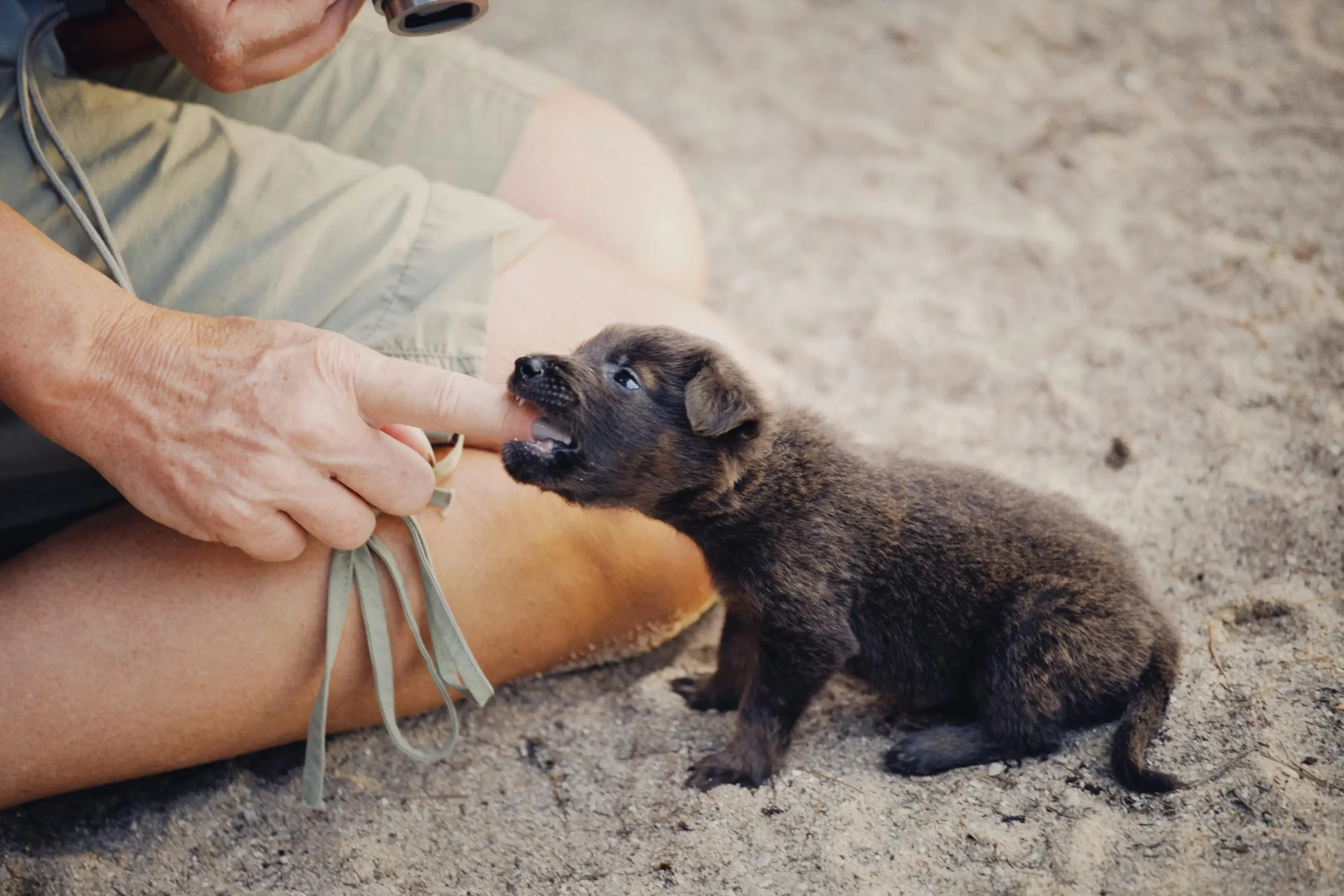
Addressing a puppy that bites and shows aggression can be incredibly frustrating and concerning. If your puppy frequently nips at you, growls, or displays aggressive behavior, it is crucial to address these actions early to prevent escalation. In this article, we’ll explore the causes of puppy biting me and acting aggressive, effective solutions, and expert tips to help you correct this behavior and train your puppy to become a well-mannered companion.
Understanding Puppy Biting: Why Does It Happen?
Puppy biting is common, especially during the teething stage, but it can become a more serious issue if not handled properly. Understanding the underlying reasons for this behavior is key to addressing it effectively. Puppies often bite as a way to explore their environment, get attention, or relieve discomfort from teething. However, when biting becomes aggressive, it can signal a deeper problem such as fear, frustration, or a lack of socialization.
Why Do Puppies Bite Aggressively?
- Teething: Puppies go through a teething phase, typically between 3 and 6 months of age, where they chew and bite things to relieve discomfort.
- Lack of Socialization: If a puppy hasn’t been properly socialized with people and other animals, they may become fearful and defensive, leading to aggressive biting.
- Frustration or Fear: Aggression can also stem from fear or frustration. Puppies might bite aggressively when they feel threatened or overwhelmed by their environment.
Understanding the cause of your puppy’s biting is essential to correcting the behavior.
How to Stop a Dog from Nipping and Jumping
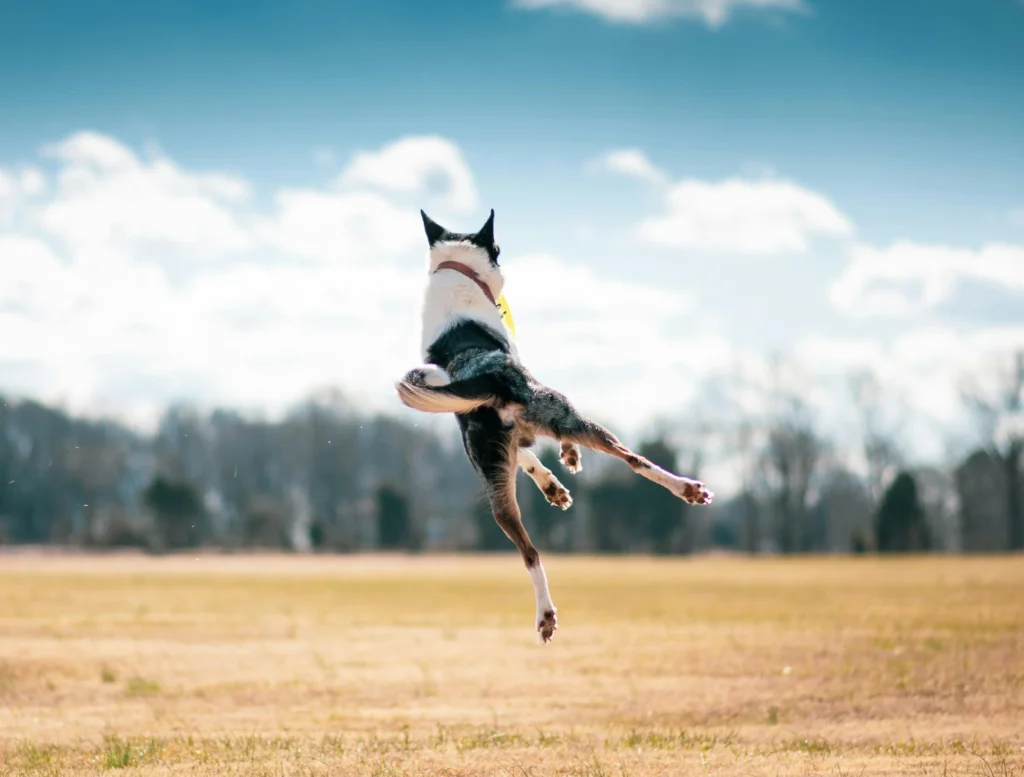
If your puppy is nipping at you and jumping up in excitement, it’s important to teach them appropriate behaviors. Here are some effective strategies:
- Redirect the Behavior: When your puppy starts nipping or jumping, redirect their attention to a toy or chew object. This gives them something acceptable to bite and helps them associate biting with something positive.
- Use Positive Reinforcement: Reward your puppy with treats or praise when they exhibit calm and appropriate behavior. This reinforces the idea that good behavior leads to positive outcomes.
- Train the “Sit” Command: Teaching your puppy to sit when they’re excited can help control jumping and nipping. Use treats to guide them into a seated position and reward them immediately.
- Consistency is Key: Be consistent with your commands and rewards. If you let your puppy jump or nip sometimes and scold them other times, they won’t understand what’s expected.
Month-Old Puppy Aggressive Biting: How to Handle It
At 4 months old, puppies can start to exhibit more aggressive biting behaviors, especially as their teeth are coming in. It’s essential to take action to prevent these behaviors from becoming ingrained.
- Correct the Behavior Early: Address the issue as soon as it starts. The longer you wait to correct biting, the harder it will be to break the habit.
- Provide Plenty of Exercise: A tired puppy is a well-behaved puppy. Make sure your 4-month-old gets enough physical and mental stimulation each day to burn off excess energy.
- Use Timeouts: If your puppy starts biting aggressively, remove them from the situation for a short timeout. This teaches them that aggressive behavior leads to a loss of attention.
How Can I Get My Dog to Stop Biting?
The question on every dog owner’s mind when their puppy starts biting is, “How can I get my dog to stop biting?” Fortunately, there are several approaches you can take:
- Teach Bite Inhibition: Bite inhibition is the ability for a puppy to control the force of their bite. Start by offering your puppy your hand and letting them mouth it gently. If they bite too hard, immediately stop the interaction and say “no.” Over time, they’ll learn how to control their biting.
- Use Deterrents: There are many products available that can deter biting, such as sprays that make your skin taste unpleasant. These can help reinforce the idea that biting isn’t acceptable.
- Enroll in Puppy Training Classes: Professional trainers can teach your puppy basic commands and socialization skills. A well-socialized dog is less likely to engage in aggressive biting behaviors.
- Be Patient and Consistent: Correcting puppy biting takes time. Be patient, and remember that consistency in training and discipline is key.
Puppy Pawing at Me: What Does It Mean?
If your puppy is constantly pawing at you, it’s essential to understand the reason behind the behavior. Pawing can be a sign of affection, but it can also indicate frustration or an attempt to get attention.
To stop unwanted pawing:
- Ignore the Behavior: If your puppy paws at you for attention, don’t give in. Ignoring them will teach them that pawing doesn’t get the response they want.
- Redirect to Positive Behavior: Offer your puppy a toy to focus on or engage in a training session. Reward them for calm, appropriate behavior.
- Teach “Four On The Floor”: This command helps teach your puppy to keep their paws on the ground rather than jumping up or pawing at you. Use positive reinforcement to reward them for keeping all four paws on the floor.
Why Do Belgian Malinois Bite So Much?
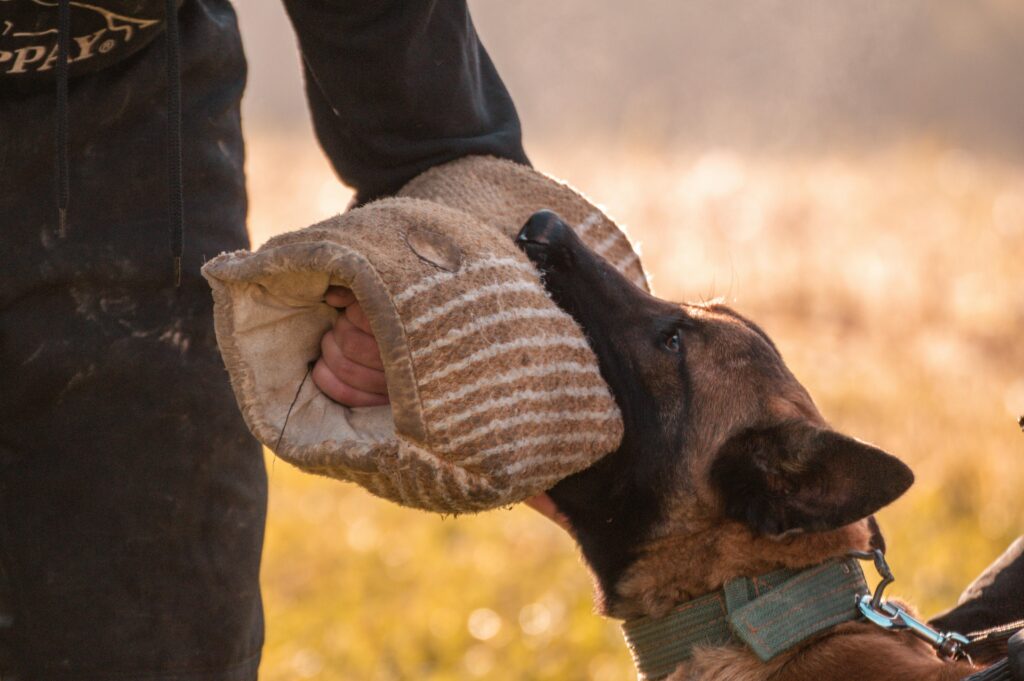
Belgian Malinois is known for their high energy and intelligence, but they can also have a tendency to be nippy and aggressive, especially if they aren’t properly trained. If you’re wondering, “Why do Belgian Malinois bite so much?”, the answer lies in their temperament.
- High Drive for Work: Belgian Malinois are working dogs, and they have a strong instinct to use their mouths for tasks such as biting and retrieving. Without a proper outlet for this drive, they may become more prone to biting.
- Need for Early Training and Socialization: Like all working dogs, Belgian Malinois need early training and socialization. If they’re not properly socialized, they can develop anxiety or aggression, leading to excessive biting.
- Redirecting the Behavior: Providing ample exercise, mental stimulation, and training will help curb excessive biting in Belgian Malinois. For a full step-by-step plan, read this Belgian Malinois training guide.
Conclusion
Dealing with a puppy that is biting me and acting aggressive can be a challenging experience. Still, with the right strategies, you can correct this behavior and help your puppy grow into a well-behaved adult dog. Remember, consistency, positive reinforcement, and early training are the keys to success. Whether you’re addressing puppy pawing at me, figuring out how to stop how to stop a dog from nipping and jumping, or dealing with a more specific issue like why do Belgian Malinois bite so much, taking the time to train your puppy will lead to a happier, healthier relationship.